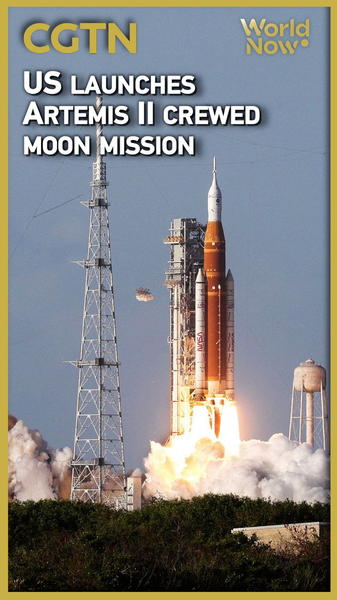
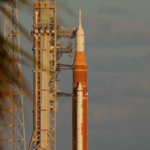
History soared skyward this week as NASA’s Artemis II rocket launched from Florida on Wednesday, April 1, 2026, marking humanity’s first crewed lunar mission since 1972. The four-person crew—hailed as "modern-day explorers"—embarked on a groundbreaking journey to orbit the moon, reigniting global excitement for space travel. 🚀✨
A New Chapter in Space Exploration
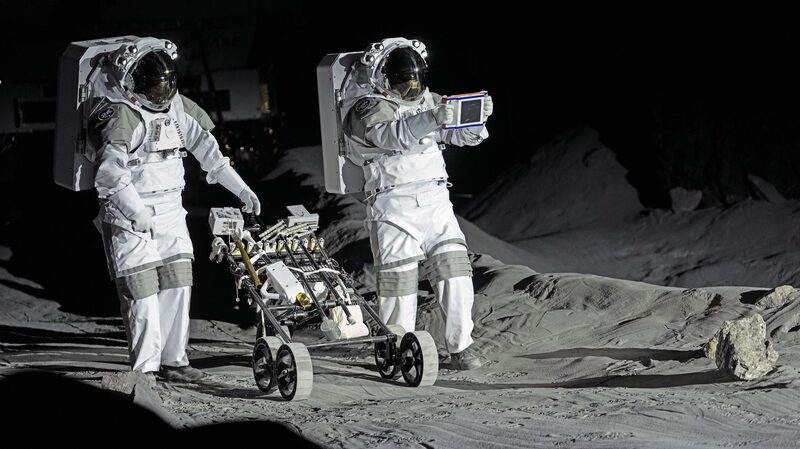
The mission, part of NASA’s Artemis program, aims to pave the way for sustainable lunar exploration and future Mars missions. The crew, including two women and a Canadian astronaut, will test new technologies during their 10-day voyage. "This isn’t just about reaching the moon—it’s about staying there," said NASA’s chief during the livestream, which trended globally with over 50 million views. 🌍👩🚀
Why This Matters in 2026
With private space companies like SpaceX and international partners accelerating their programs, Artemis II underscores a renewed space race. Analysts say this mission could boost STEM interest worldwide and drive innovations in AI and sustainable tech. For young professionals and students, it’s a reminder: the final frontier is closer than ever. 📈🔭
What’s Next?
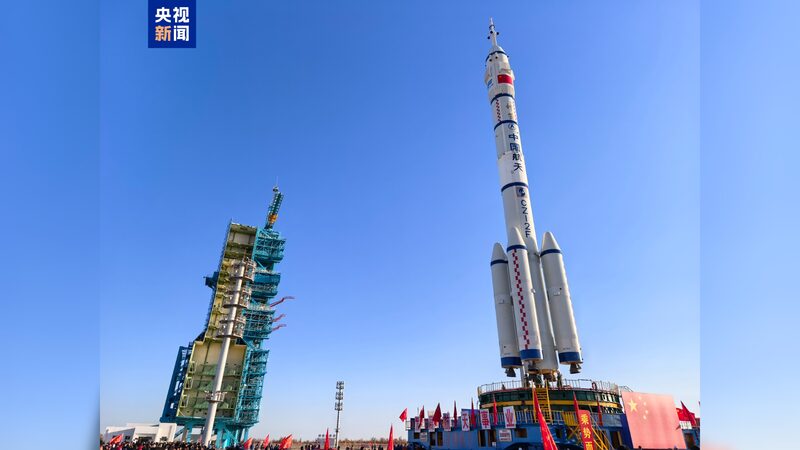
If successful, Artemis III plans to land astronauts on the moon by late 2027. Meanwhile, China’s lunar base project and India’s upcoming Chandrayaan-4 mission highlight Asia’s growing role in space. Stay tuned—this is one giant leap you won’t want to miss. 🌏🚨