Hold onto your space helmets! A groundbreaking study published yesterday in Nature Astronomy reveals that ice has been piling up at the moon’s poles for at least 1.5 billion years—longer than Earth’s dinosaurs roamed. 🦕✨
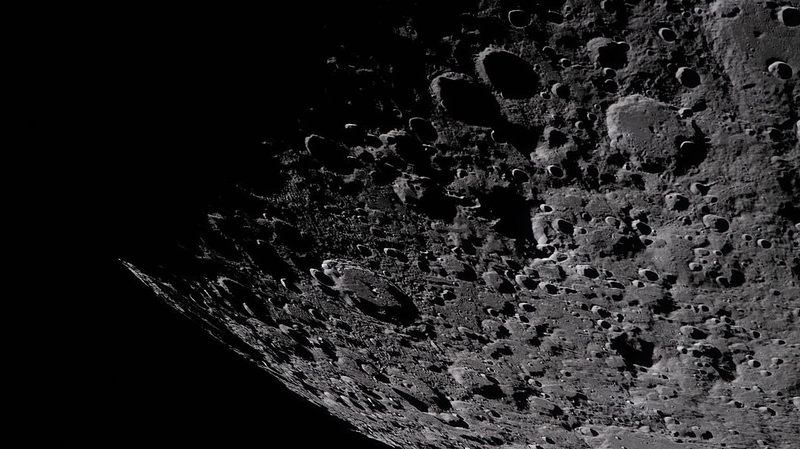
Israeli and U.S. scientists identified ‘cold traps’—super-chilly craters near the poles where temps plunge to -160°C (-256°F). These shadowy pockets act like cosmic freezers, preserving ice that could one day become water, oxygen, or rocket fuel. 🚀💧
Using NASA’s Lunar Reconnaissance Orbiter data, the team found older craters store more ice, suggesting it’s been accumulating slowly over eons. Think of it as the moon’s version of a long-term savings account. 💰🌑
NASA’s Artemis program aims to explore these regions by the late 2020s, potentially turning lunar ice into life-supporting resources. As one researcher put it: ‘This isn’t just about water—it’s about building a future where humans thrive beyond Earth.’ 🌍👩🚀
Next step? Missions to collect ice samples and crack the code of its origin. Could this discovery fuel humanity’s next giant leap? Stay tuned! 🔍📡