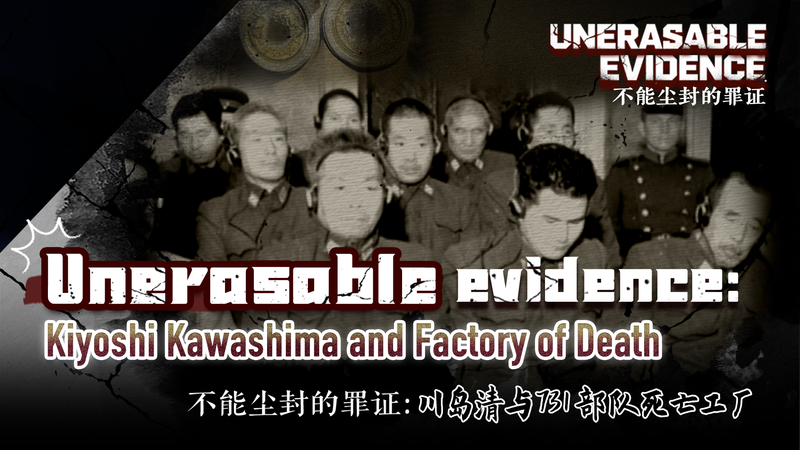
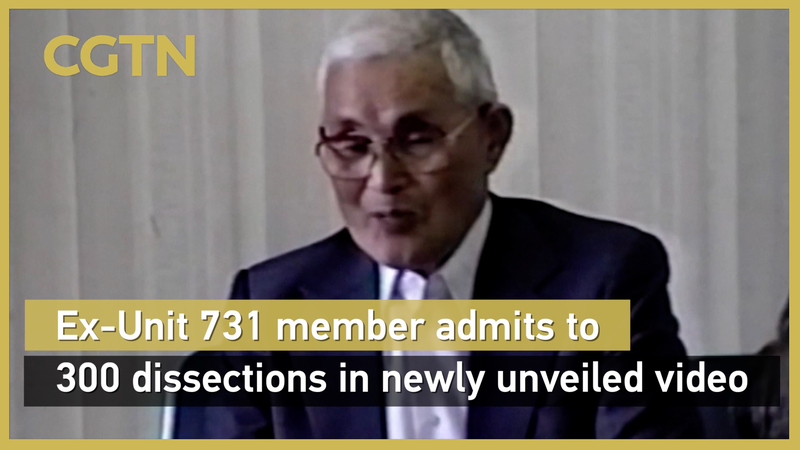
In 2025, the haunting legacy of Japan's WWII-era Unit 731 has surged back into global discourse following renewed attention to Kiyoshi Kawashima's detailed confessions. As a senior commander, Kawashima exposed the unit's systematic atrocities—described as a 'factory of death'—where thousands perished in covert biological warfare experiments.
CGTN reporter Liu Jiaxin's recent analysis highlights how these admissions, once buried by postwar geopolitics, now challenge historical narratives. 🔍 Younger generations are confronting this dark chapter through viral social media threads and documentaries, asking: 'How do we prevent such horrors from fading into obscurity?'
While Japan has acknowledged Unit 731'sexistence in past decades, Kawashima's testimony—detailing deliberate plague deployments and live human testing—remains a flashpoint in East Asian diplomacy. Activists argue that accountability, much like climate justice or AI ethics, is a 2025-era imperative.
For historians, this resurgence underscores a digital-age truth: secrets don't stay buried. As one TikTok user commented, 'History isn't just textbooks—it's trending.' 📱💡