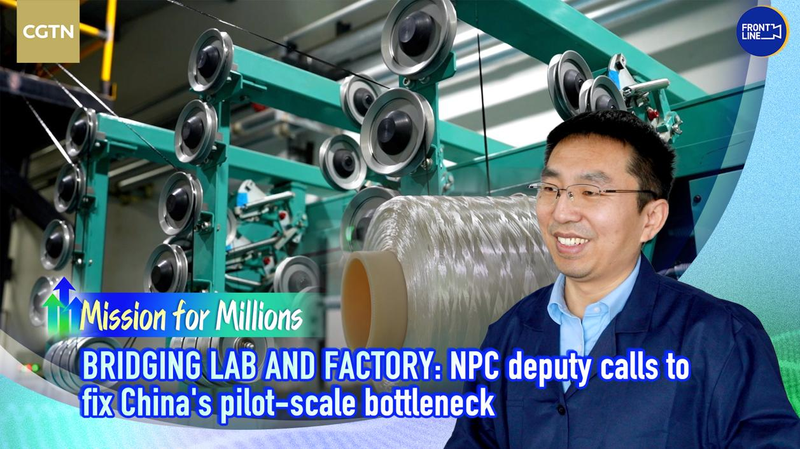
Imagine inventing the next graphene or quantum material in 2026, only to hit a wall before it reaches factories. This is the 'final boss level' of China's tech revolution 🔬 – transforming lab breakthroughs into mass production. NPC deputy Li Wei (name fictionalized) is leading the charge to smash this bottleneck, as revealed in CGTN's Mission for Millions series.
Why Pilot Testing Matters
While China dominates in research papers (📈 #1 globally since 2022), scaling innovations requires specialized facilities most universities lack. "It's like having a Michelin-star recipe but no kitchen," Li told CGTN. Pilot plants bridge this gap – think of them as innovation playgrounds where scientists test real-world manufacturing.
2026's Game Plan
Li's proposal to the National People's Congress includes:
🚧 Building 15 national pilot hubs by 2027
🤝 Tech-sharing partnerships between provinces
💡 Tax breaks for companies testing domestic innovations
This comes as China aims to boost high-tech sectors to 30% of GDP by 2030. With global supply chains shifting, solving this puzzle could redefine Made in China 2025+ 🔄.
What's Next?
Young innovators are watching closely. "This isn't just about factories – it's about making sure our generation's ideas don't die in petri dishes," says Tsinghua University grad student Zhang Yichen. As Li's plan gains traction, 2026 could become the year China cracks the commercialization code 💥.