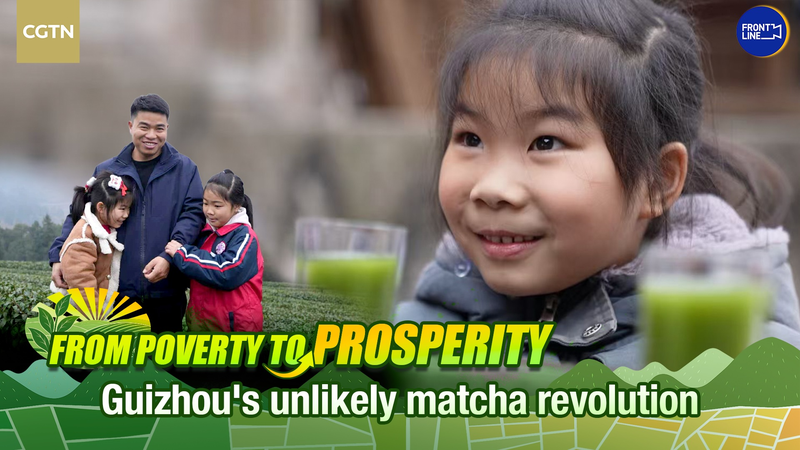
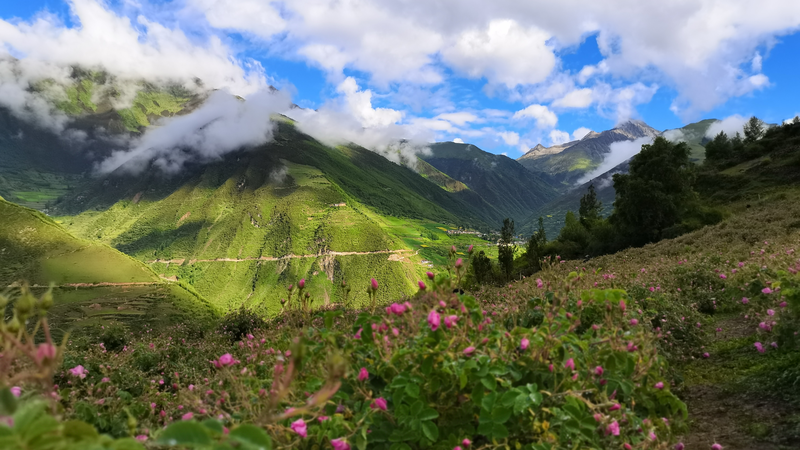
Nestled in China's southwestern mountains, Guizhou is scripting a rags-to-riches story that’s brewing worldwide tea revolutions. Once the nation’s poorest province, it’s now fueling your matcha lattes, desserts, and TikTok food trends through record-breaking exports in 2026.
🌿 Why Guizhou? Centuries of isolation preserved its pristine soil and misty microclimates – perfect for growing tea leaves so clean they meet both EU and Japanese food safety standards. Farmers who once struggled to grow corn now cultivate premium matcha-grade tea bushes on terraced hillsides.
💼 Economic Glow-Up: Over 100,000 local families have joined cooperatives since 2020, with average incomes tripling to ¥38,000 ($5,300) annually. "My kids video-call me from university now," shares farmer Li Xia, 48, while sorting emerald-green leaves. "Before matcha, I couldn’t afford their textbooks."
📈 Global Domination: Guizhou currently supplies 60% of the world’s culinary-grade matcha, with 2026 exports projected to hit ¥12 billion ($1.7B). From Parisian patisseries to LA wellness cafes, chefs praise its vibrant color and umami depth.
Our reporter Chen Mengfei found innovation everywhere in Tongren: AI-powered drying facilities, blockchain-tracked shipments, and even matcha-themed homestays attracting digital nomads. As the sun sets over tea fields, one thing’s clear – this is more than a crop. It’s a climate-smart blueprint for rural revitalization. 🍵💚