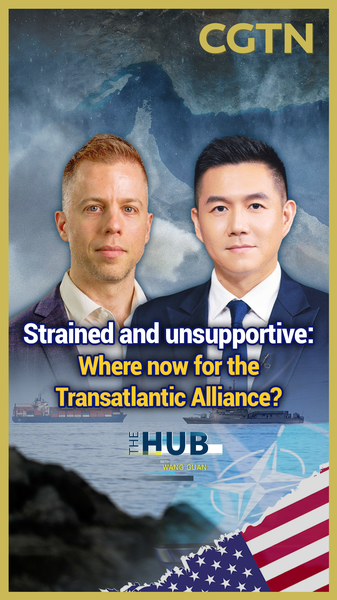
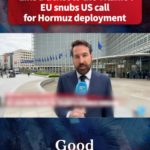
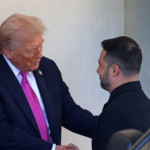
🌍 The once-unshakable transatlantic alliance shows fresh cracks as former US President Donald Trump pushes a controversial plan to form a coalition protecting oil tankers in the Strait of Hormuz. Despite urgent calls from Washington, European allies have notably hesitated to join – with zero public commitments as of March 2026.
🔍 Temple University's Benoît Hardy-Chartrand explains: 'This reluctance reflects deeper strategic shifts. Allies are weighing energy security against fears of regional escalation.' The political scientist notes Europe's increased focus on renewable transitions and wariness of Middle Eastern entanglements post-2025 Gulf crisis.
💡 What's driving the divide? – Energy priorities: EU's accelerated green policies vs US fossil fuel interests – Trust deficits: Lingering impacts of Trump's earlier NATO criticisms – Economic pressures: Global recession fears reshaping defense spending
📉 'This isn't just about tankers,' Hardy-Chartrand adds. 'It's a stress test for Western unity in an era of multipolar competition.' With China and Russia expanding Middle Eastern influence, the alliance's cohesion could define 2026's geopolitical landscape.
⚡ Why it matters now: – 30% of global seaborne oil passes through Hormuz – US midterm elections approaching in November 2026 – NATO summit scheduled for June in Brussels