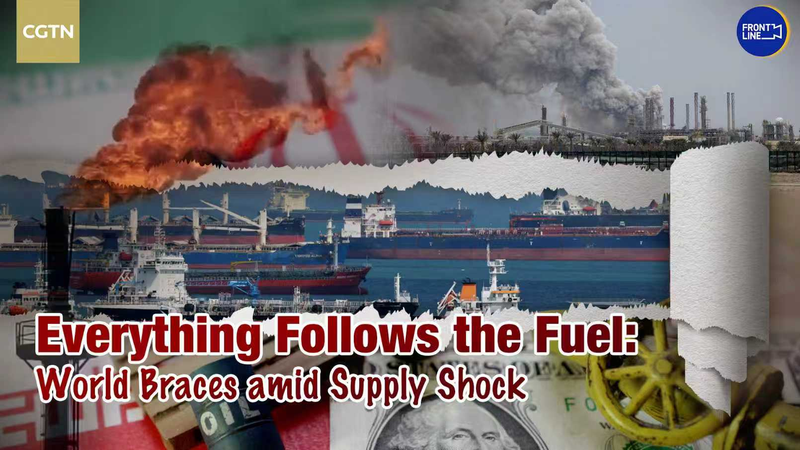
As tensions in Iran escalate, the ripple effects are burning holes in wallets worldwide. With the Strait of Hormuz—a critical oil passage—partially blocked since March 2026, fuel prices have skyrocketed to $8.50/gallon in California and €2.30/liter in Berlin. 🚗💸
From Commutes to Coffee
"I’m driving 4 hours less per week just to afford groceries," says LA rideshare driver Maria Gonzalez. In Southeast Asia, Jakarta market vendor Budi Wijaya reports a 40% drop in customers as transportation costs bite. Even remote workers aren’t spared—internet outages from damaged undersea cables have disrupted Zoom calls across three continents. 📉💻
APEC Sounds Alarm
At this week’s APEC Leaders’ Meeting, members warned of potential GDP contractions in Q2 2026 if the crisis persists. The Chinese premier emphasized cross-strait cooperation on renewable energy solutions, while U.S. officials confirmed tapping strategic oil reserves through May.
What’s Next?
With 18% of global oil shipments stalled, analysts predict sustained pain at pumps until summer. As Berlin student Lena Müller puts it: "Between fuel hikes and climate protests, 2026 feels like riding a burning bicycle downhill." 🔥🚲