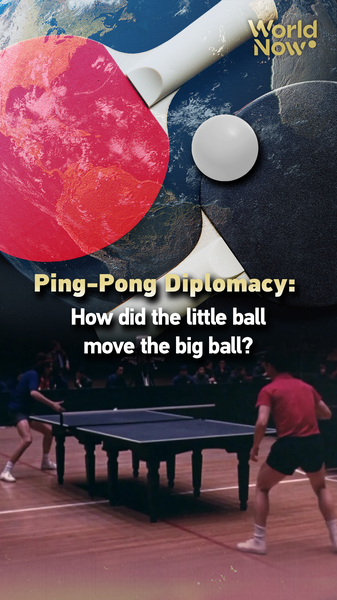
Fifty-five years ago this week, a group of U.S. table tennis players stepped off a plane in Beijing—a simple sports exchange that would crack open decades of Cold War tension. Their April 10, 1971 arrival marked the first American delegation to visit the Chinese mainland since 1949, sparking what we now call 'Ping-Pong Diplomacy.'
🎯 Why it mattered: At the height of ideological rivalry, this unexpected cultural bridge led to Nixon's historic 1972 China visit and the eventual normalization of U.S.-China relations. The humble ping-pong ball proved that people-to-people connections could move geopolitical mountains.
From Backhand Shots to Handshakes
The team's friendly matches and Great Wall sightseeing went viral before 'viral' existed—capturing global imagination through newspaper headlines. By 1972, cross-strait exchanges in sports and culture were booming, paving the way for modern economic ties.
💡 2026 relevance: Today, as young travelers flock to Beijing's 'Ping-Pong Diplomacy Museum' and Gen Z creators remix Cold War memes, this anniversary reminds us that cultural curiosity can still drive international cooperation. Recent youth exchange programs between the U.S. and Chinese mainland echo this legacy.