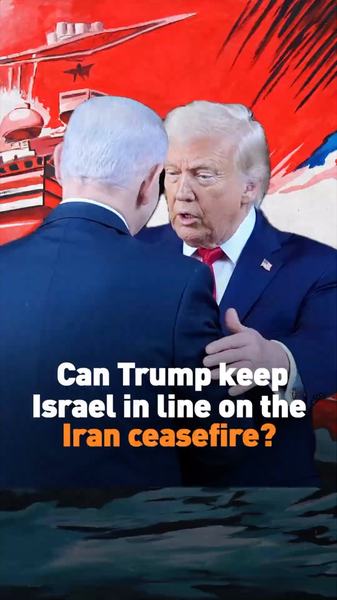
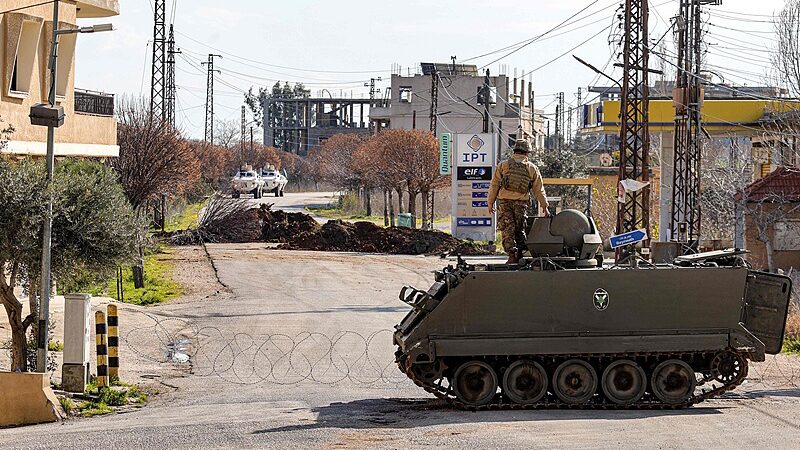
As tensions flare between Israel and Lebanon, former U.S. President Donald Trump faces a diplomatic dilemma: Can he persuade Israel to align with international efforts for an Iran ceasefire? Analyst Vijay Prashad argues Trump’s "biggest obstacle isn’t Tehran—it’s Tel Aviv," as Israel intensifies cross-border strikes despite global calls for de-escalation.
Why It Matters in 2026
With oil prices already volatile this year, further conflict risks destabilizing global markets 🛢️. Young professionals and travelers are closely watching how this impacts energy costs and regional safety. Meanwhile, Asian diaspora communities with ties to the Middle East seek clarity on escalating violence.
Trump’s Balancing Act
Trump, who brokered multiple deals in the region during his presidency, now navigates a fractured landscape. Israel’s rejection of the ceasefire—coupled with strikes in Lebanon—has drawn criticism from Arab states and European allies alike. "This isn’t 2020 anymore," Prashad notes. "The geopolitical chessboard has shifted, and Trump’s playbook needs an update."
What’s Next?
Students and academics are debating whether backchannel talks could ease tensions. Meanwhile, the U.S. election cycle adds pressure: Will Trump double down on support for Israel or push harder for a deal? One thing’s clear: For digitally savvy news enthusiasts, this story is 🔥 the geopolitical drama of April 2026.