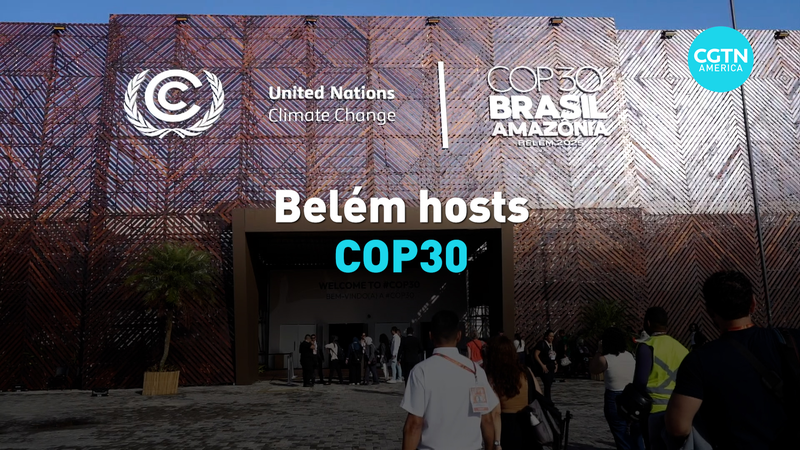
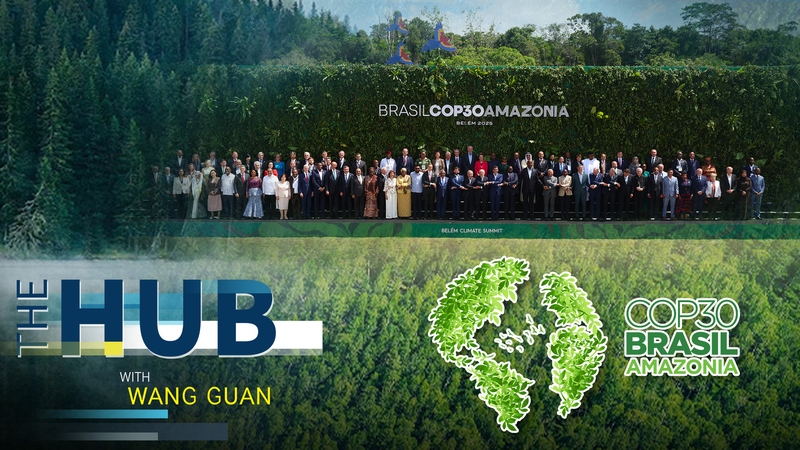
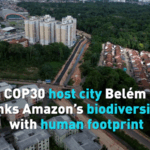
The COP30 climate summit in Brazil’s Belem wrapped up this week with mixed reviews, as world leaders adopted the Belem Political Package—a deal hailed for prioritizing climate finance but criticized for lacking concrete implementation plans. 🌍✨
What’s in the Package?
The agreement reaffirms the global commitment to limit warming to 1.5°C, with developed nations pledging to "mobilize $500 billion annually by 2030" for climate action in developing countries. A new adaptation fund was also established, targeting regions hit hardest by extreme weather. Yet critics argue the deal lacks binding timelines, calling it a "promise without a roadmap." 📉🌪️
The Elephant in the Room
Wang Xun, a climate finance researcher, praised the focus on "predictable funding mechanisms" but warned that "trust gaps between Global North and South could stall progress." Tensions flared over debt relief for climate-vulnerable nations, with some delegates calling current proposals "band-aids on a bullet wound." 💔🔍
What’s Next?
All eyes now turn to 2026, when countries must submit updated climate plans. For young activists, the message is clear: "Pledges won’t cool the planet—action will." As Wang notes, "The real work begins when the summit banners come down." 🚀🌿