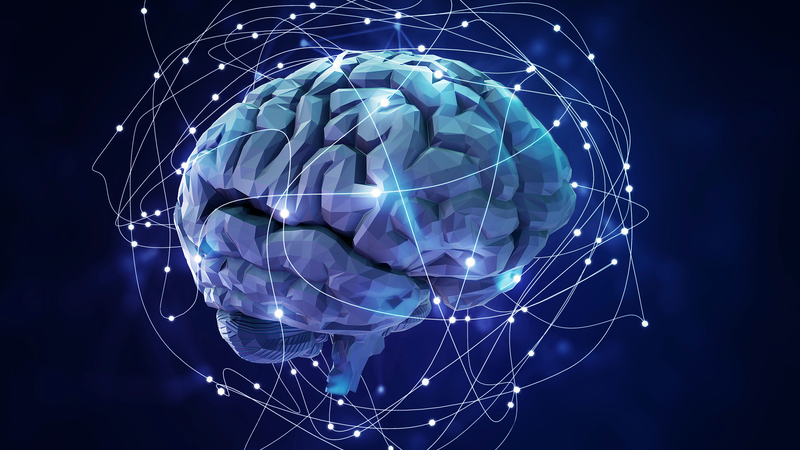
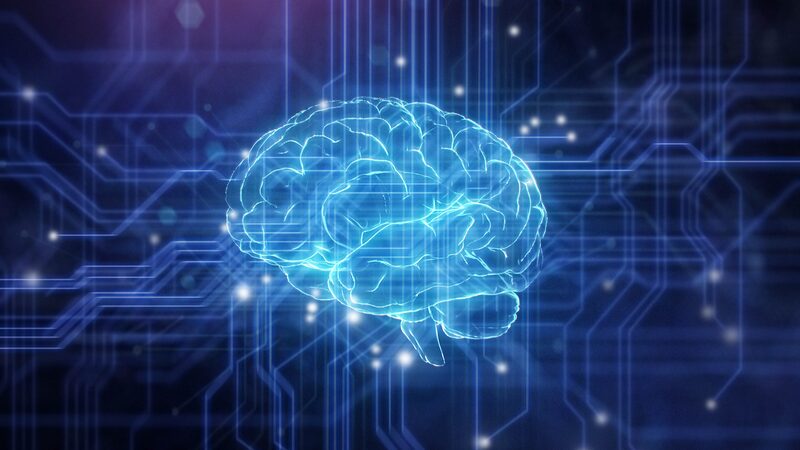
Hold onto your neural networks! A groundbreaking study published in Nature Communications this week reveals human brains process language using step-by-step patterns eerily similar to AI chatbots like ChatGPT. Researchers from Hebrew University and U.S. institutions analyzed brain activity during speech comprehension – and the results are straight out of a sci-fi collab. 🚀
🔍 Key findings:
Both brains and Large Language Models (LLMs) use hierarchical processing to decode meaning
Similar neural “processing layers” exist despite vastly different biological/digital structures
This discovery could revolutionize how we develop AI and treat language disorders
🧪 The team used advanced fMRI scans to track how volunteers’ brains responded to sentences, comparing the patterns to how AI models process text. While AI wasn’t built to mimic biology, this accidental alignment suggests we’re cracking fundamental codes of communication – both silicon and carbon-based! 💡
What’s next? Researchers say this could lead to more human-like AI assistants and better brain-computer interfaces. As one scientist quipped: “Turns out, GPT-5 might be more like your BFF than you think!” 😂