EU Backtracks on Climate Goals as Automakers Push for Hybrid Lifeline
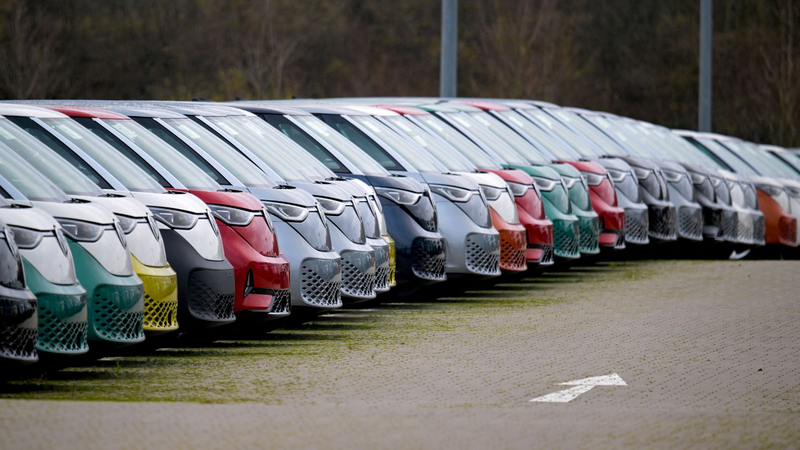
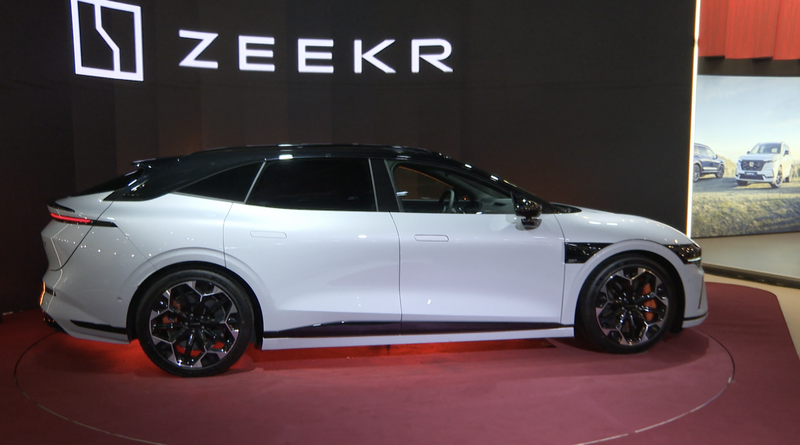
In a major policy shift, the European Commission proposed easing its 2035 ban on combustion-engine vehicles, allowing some plug-in hybrids and fuel-burning cars to stay on roads. The move follows intense lobbying from Germany, Italy, and automakers struggling to compete with Chinese EV giants. 🚘⚡
Why the Change?
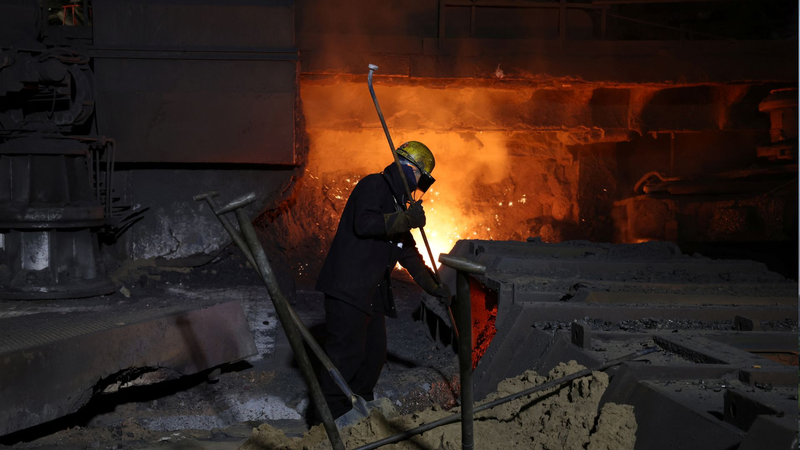
Current rules required 100% zero-emission new cars by 2035, but the revised target now aims for a 90% CO2 reduction. Automakers can offset remaining emissions using EU-made low-carbon steel or biofuels from agricultural waste. Critics warn this could slow Europe’s transition to clean energy while China accelerates. 🌱🇨🇳
Ford’s $19.5B EV Writedown Sparks Alarm
The EU’s retreat coincides with Ford Motor scrapping several EV models amid weakening demand, echoing concerns from Volkswagen and Stellantis. Automotive lobby ACEA called it "high noon" for the industry as Chinese EV imports challenge European dominance—even with tariffs in place. 📉🔋
Climate vs. Competitiveness
Polestar CEO Michael Lohscheller warned: "Backtracking now hurts both the climate and Europe’s ability to compete." The Commission also proposed incentives for corporate EV fleets and lighter regulations for small EU-made electric cars, aiming to balance environmental goals with economic realities. ⚖️🔌