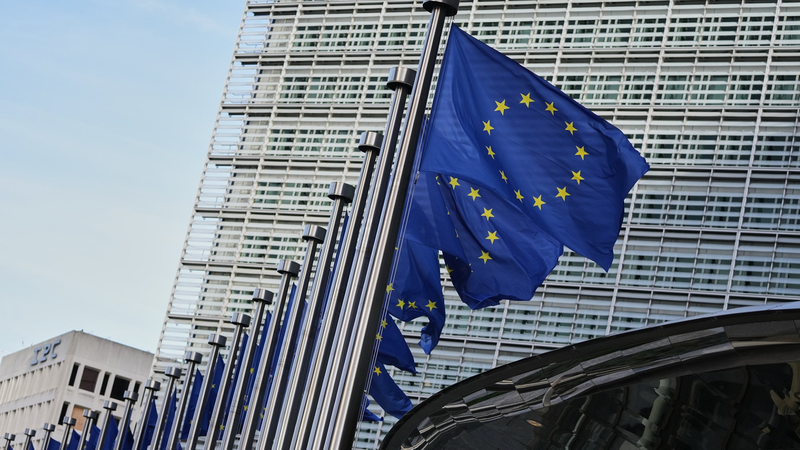
In a late-night decision that felt more like a high-stakes drama than a policy meeting, EU leaders agreed early Friday to provide Ukraine with a 90-billion-euro loan to bolster its defense against Russia—without tapping into frozen Russian assets. The move comes after marathon talks in Brussels, where leaders opted for budget-backed borrowing over the politically charged idea of using seized funds. 💼🔥
Why This Matters Now
With Hungary’s Prime Minister Viktor Orban initially opposing the plan, the deal seemed dead on arrival. But in a twist straight out of a Netflix political thriller, Hungary, Slovakia, and the Czech Republic greenlit the loan as long as their wallets stayed untouched. Talk about a cliffhanger resolution! 🎬
What’s Next for Russian Assets?
The EU’s 210 billion euros in frozen Russian funds will stay locked until Moscow pays reparations—a move that could let Ukraine repay the loan later. Meanwhile, Belgium (where most assets are held) remains the reluctant guardian of this geopolitical piggy bank. 🏦❄️
EU summit chair Antonio Costa called the decision a "matter of urgency," emphasizing unity amid rising global tensions. For young professionals and policy wonks, this sets a precedent: When cash is tight, creativity (and compromise) wins. 💡