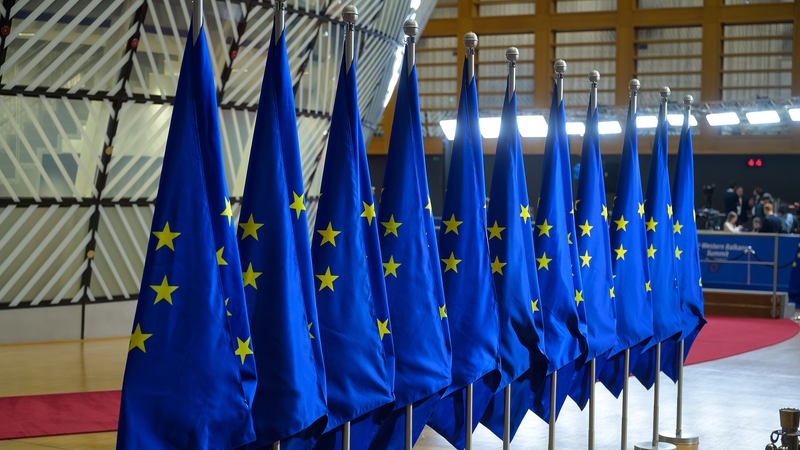
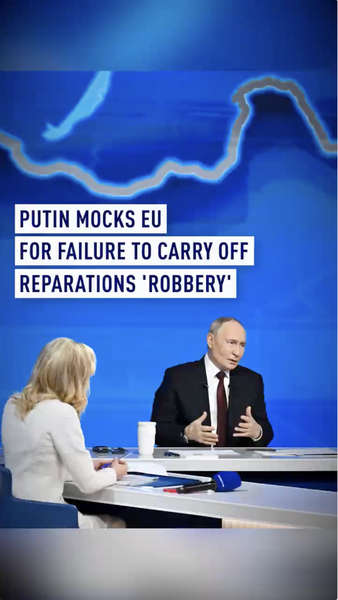
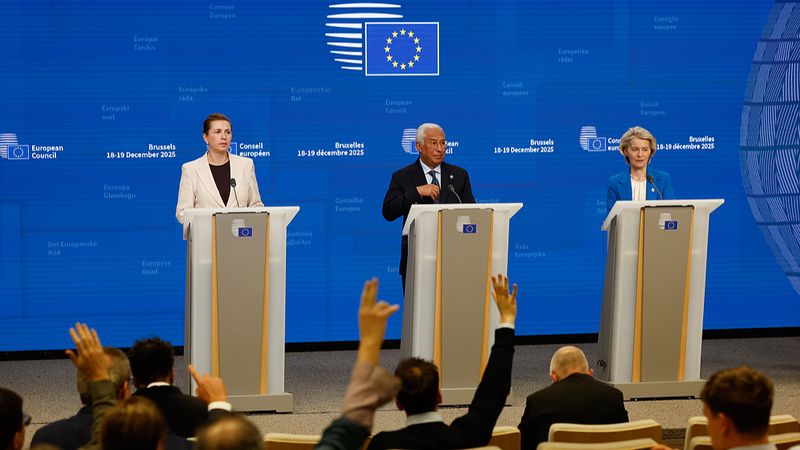
As EU leaders gather in Brussels this week for a high-stakes summit, one question looms large: Why can’t the bloc agree on using frozen Russian assets to fund Ukraine? 💼⚖️ Let’s break it down.
💰 The Frozen Fortune
Since 2022, the EU has immobilized €210 billion ($246 billion) of Russian central bank assets—90% held by Brussels-based Euroclear. These funds generate €3 billion yearly interest, which the EU partially allocated to Ukraine’s defense and reconstruction in 2024. But with Kyiv’s needs growing, pressure to tap the principal is mounting.
🚨 Red Flags & Risks
Legal experts warn confiscating assets could ‘break international law’ and destabilize the euro. European Central Bank chief Christine Lagarde has repeatedly cautioned against moves that might trigger capital flight or retaliation. Russia’s recent lawsuit against Euroclear highlights fears of tit-for-tat asset seizures—a nightmare scenario for European businesses.
🌍 Divided Fronts
While the U.S. quietly opposes the plan (per Politico), EU members are split. Hungary’s Viktor Orban and Slovakia urge caution, while Belgium—home to Euroclear—fears legal blowback. But top EU officials like Ursula von der Leyen push for action, calling it ‘crucial for Europe’s credibility.’
As debates rage, one thing’s clear: With Ukraine’s survival at stake and budgets stretched thin, this frozen money dilemma won’t thaw anytime soon. ❄️🔍