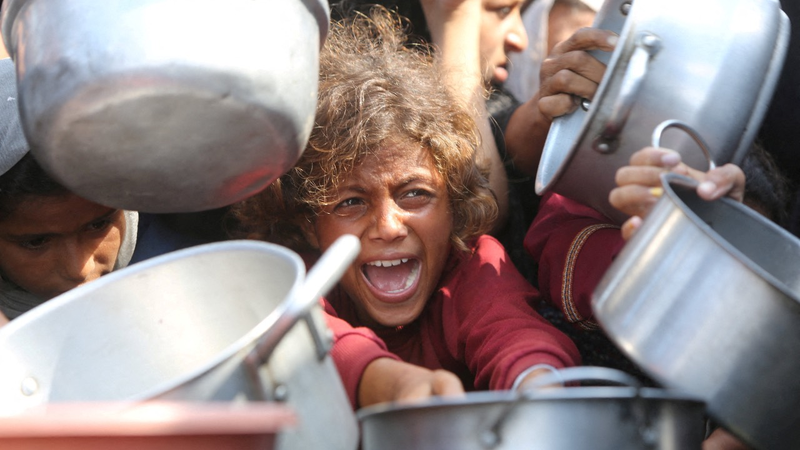
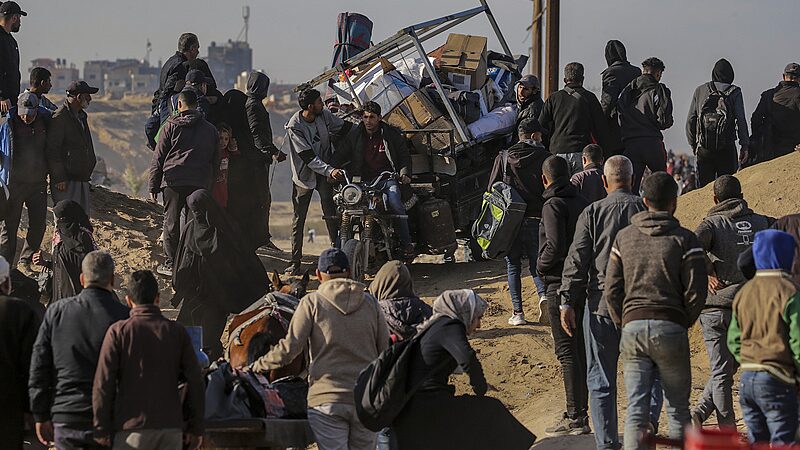
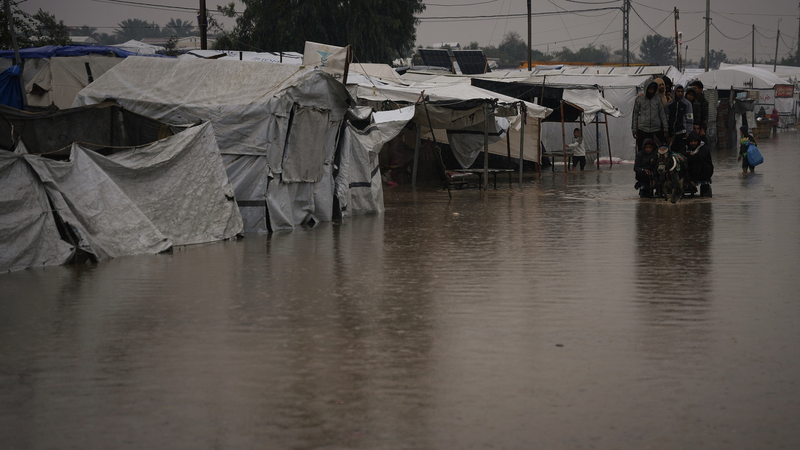
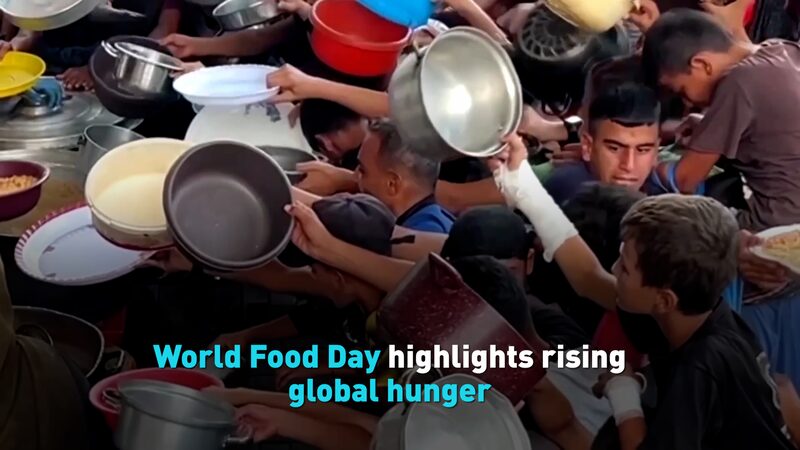
The United Nations announced this week that Gaza’s famine classification—declared in August 2025—has officially ended due to improved humanitarian aid access. But don’t pop the champagne yet 🍾: over 70% of Gaza’s population still lives in makeshift shelters, battling winter floods and freezing temperatures that worsen hunger and hypothermia risks.
From Famine to Emergency
While no areas are now classified as experiencing famine, the IPC (a UN-backed food security monitor) warns the entire Gaza Strip remains in an emergency phase. Over 100,000 people still face catastrophic conditions, though that number could drop to ~1,900 by April 2026 if aid flows stabilize.
Winter Woes Amplify Suffering
Recent floods and plummeting temps have turned displacement camps into icy quagmires ❄️. The IPC notes aid delivery remains "limited and uneven" despite an October 10 ceasefire between Israel and Hamas easing some restrictions. But daily fluctuations in supply chains keep recovery fragile.
Ceasefire’s Fragile Progress
The truce halted two years of conflict but hasn’t brought peace. Both sides regularly accuse each other of violations, and experts stress that long-term solutions—not just emergency aid—are needed to prevent backsliding. As one IPC analyst put it: "The crisis isn’t over until Gaza’s kids can eat without fear."