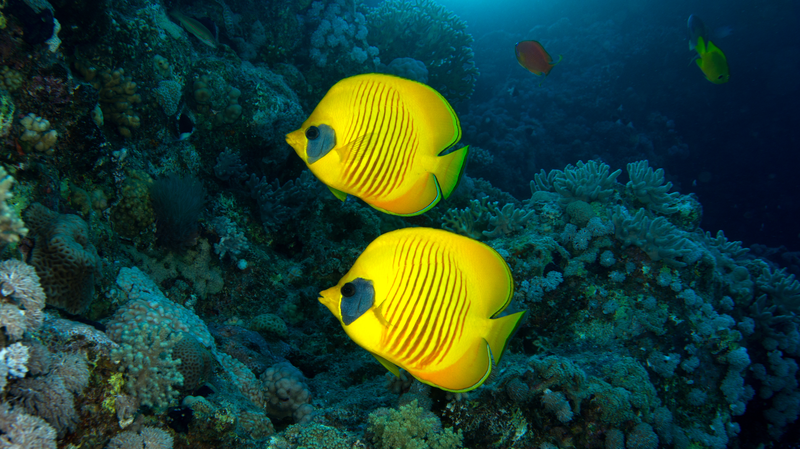
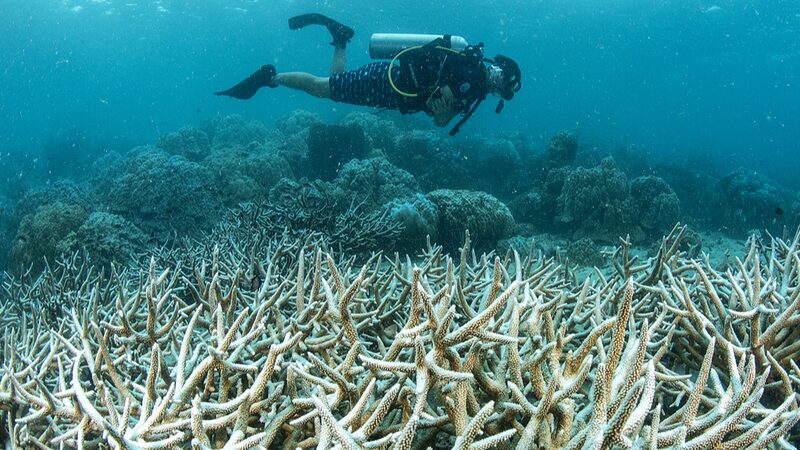
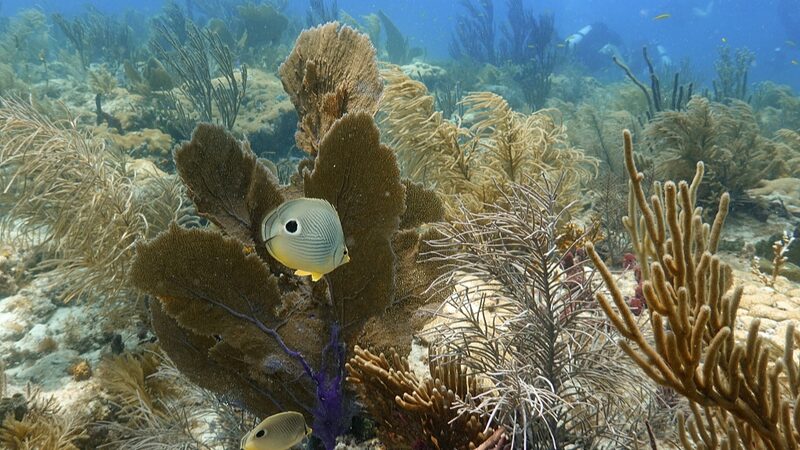
Move over, alarm clocks—coral reefs are nature’s original timekeepers for marine microbes! 🔬 A new study published in Science Advances shows these vibrant ecosystems don’t just host ocean life—they orchestrate daily rhythms for bacteria and algae in surrounding waters.
Researchers tracked microbial activity in the Red Sea’s Gulf of Aqaba, comparing coral reef zones to open waters. The result? Reef areas had 30% fewer microbes during peak daylight hours, suggesting corals actively shape their microscopic neighbors’ schedules. 🕒
Key player alert: Symbiodiniaceae—the algae that give corals their color—surged at midday, syncing with sunlight and coral metabolism. 🌞 This daily microbial dance was even more pronounced than seasonal changes!
Why it matters: As climate change stresses reefs, tracking these microbial cycles could become a vital health check for coral ecosystems. 💡 Scientists now plan to study if disrupted rhythms signal reef decline.
Next time you snorkel, remember: Those corals aren’t just pretty—they’re conducting an underwater symphony! 🎶