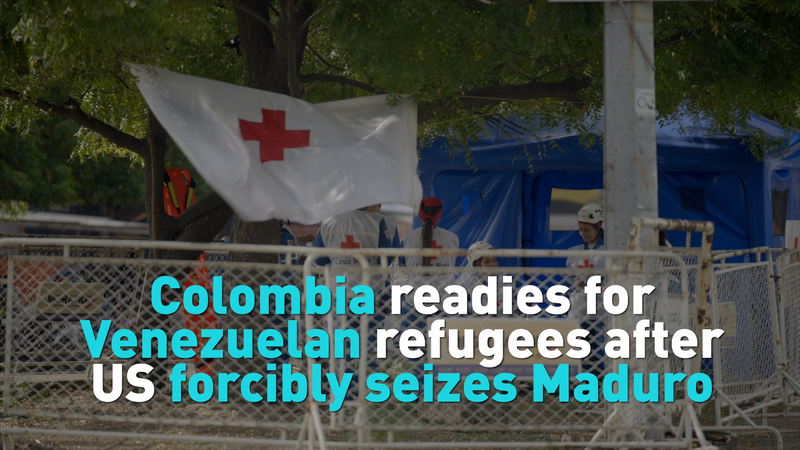
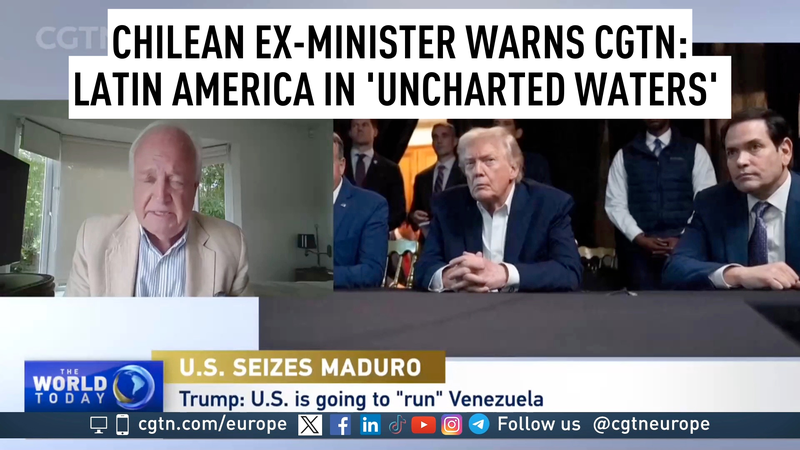
🌍 In a dramatic turn of events, U.S. forces captured Venezuelan President Nicolás Maduro and his wife on January 4, 2026, sparking global debate about sovereignty and foreign intervention. The operation, framed as a counter-narcotics mission, has thrust Venezuela into uncharted political territory as the U.S. announces plans to oversee a government transition.
Military Moves & Oil Ambitions
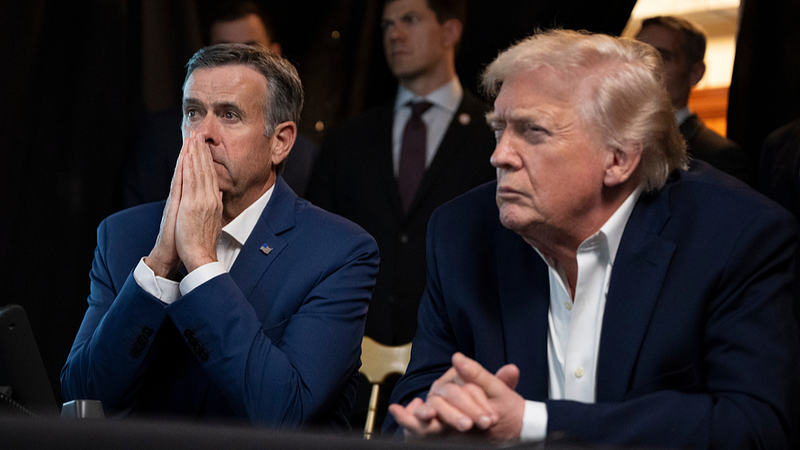
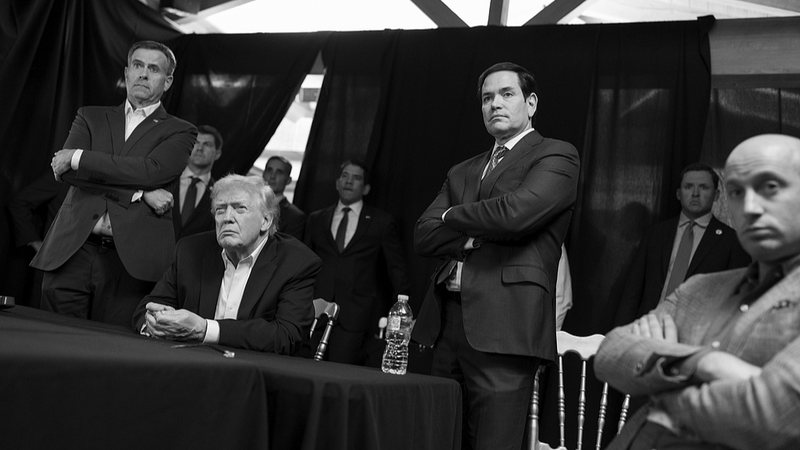
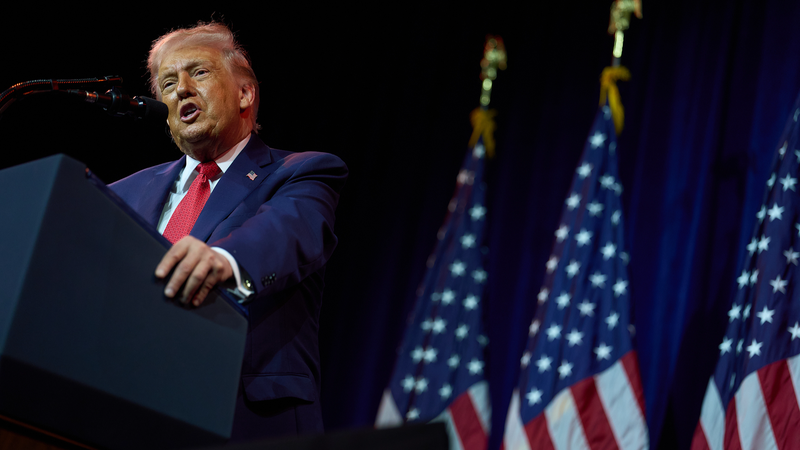
President Donald Trump declared from Mar-a-Lago: 'We’re running Venezuela until a safe transition.' Analysts say the real prize might be Venezuela’s 300+ billion barrels of oil reserves 💰. U.S. oil companies are now authorized to take over infrastructure, though sanctions remain—a move critics call 'economic colonialism.'
Strategic Play or Power Grab?
Experts link the operation to Trump’s revival of the Monroe Doctrine. 'This isn’t just about Maduro,' says Lin Hua of the Chinese Academy of Social Sciences. 'It’s about reasserting dominance in Latin America and blocking rival powers.' The U.S. claims anti-drug justifications, but many see echoes of Iraq and Libya interventions 🚩.
Global Backlash & Uncertain Future
Venezuela’s VP Delcy Rodríguez has assumed power per constitutional rules, but Washington refuses to recognize her. Meanwhile, China’s Foreign Ministry condemned the 'shocking violation of sovereignty,' while the UN urges de-escalation. With Maduro detained in New York and opposition figures vying for control, analysts warn of civil strife: 'The power vacuum could explode,' cautions Cui Zhongzhou.
What’s Next?
Watch for: 1) UN Security Council emergency talks 2) Potential special ops to crush Maduro loyalists 3) Protests across Latin America. As Rodríguez vows resistance, one thing’s clear: 2026’s first geopolitical earthquake is far from over 🌋.