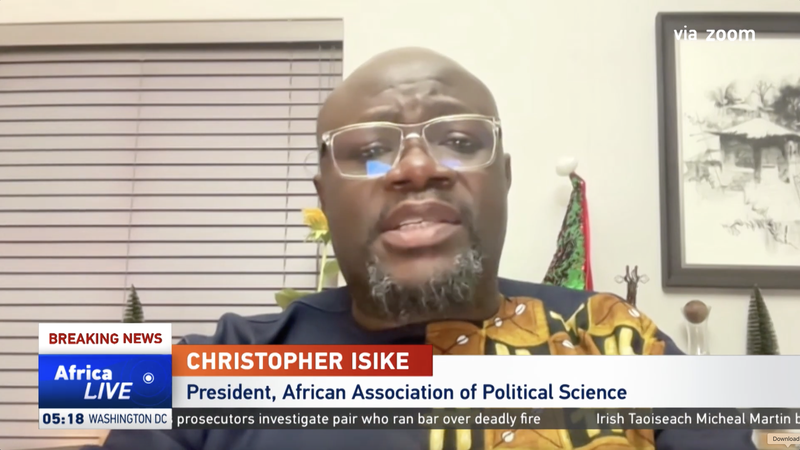
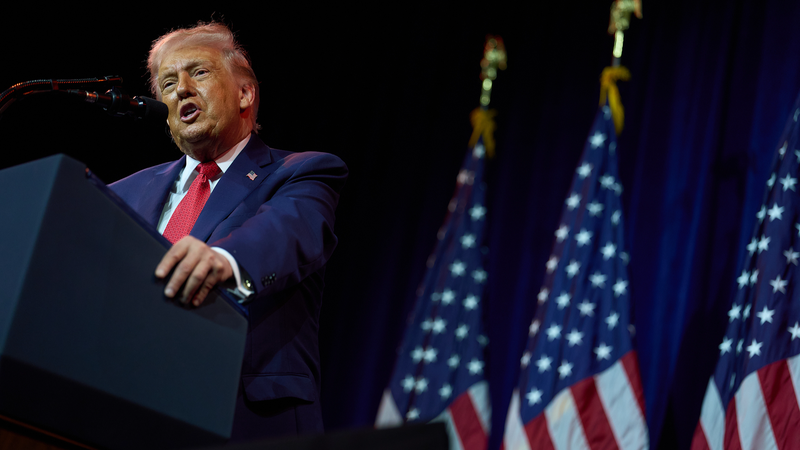
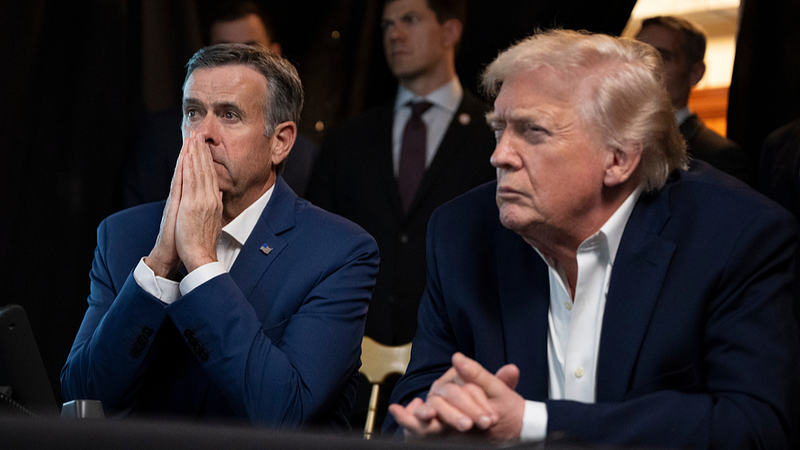
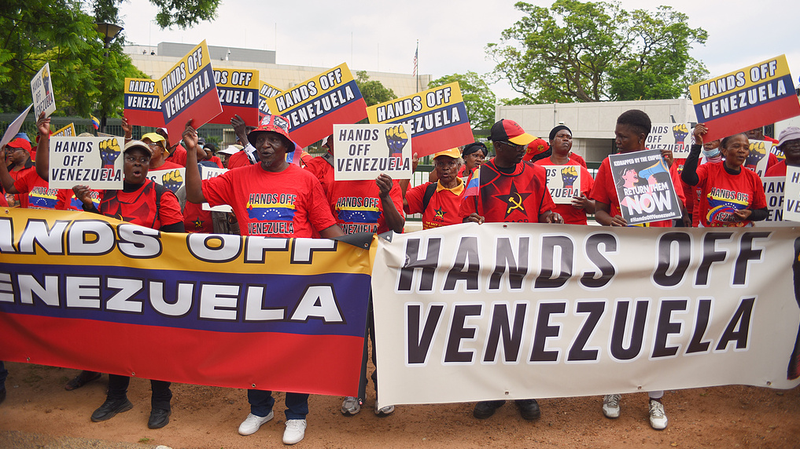
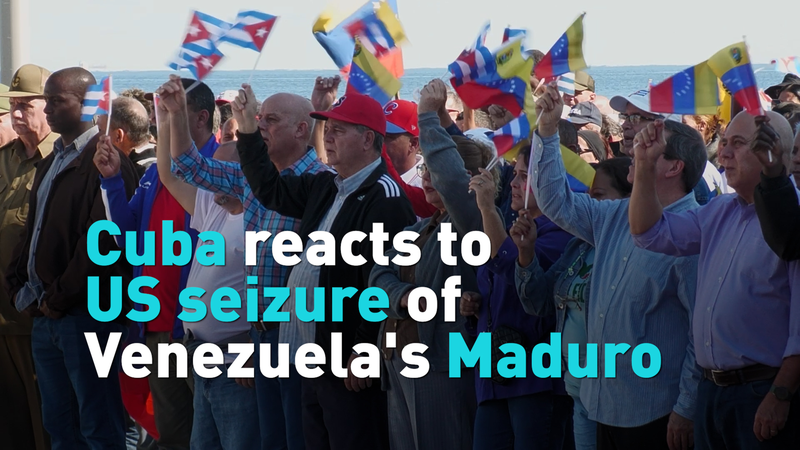
Recent U.S. military action in Venezuela – including airstrikes and the seizure of President Nicolás Maduro – has ignited fiery debates about international law and foreign policy ripple effects, particularly in Africa. Professor Christopher Isike, President of the African Association of Political Science, warns this could signal a “more assertive and personalized” U.S. approach to adversarial governments worldwide.
Legal Gray Zones & Latin American Fallout
While Washington claims counter-drug operations justify the intervention, Isike argues the move “falls outside established international legal frameworks.” He highlights sovereignty violations and bypassed congressional approvals, predicting destabilized trust among Latin American nations and diplomatic backlash.
Africa’s Watchful Eyes 👀
The University of Pretoria scholar notes African states with strained U.S. ties may see this as a blueprint for future interventions. “How does resolving illegality with another illegality become normative?” he challenges, referencing debates around the “responsibility to protect” doctrine versus self-determination principles.
Global Domino Effect? 🌐
Isike suggests such unilateral actions risk reshaping perceptions of U.S. military engagement globally, particularly in regions like Africa where geopolitical tensions simmer. The operation’s long-term impact on international sovereignty norms remains a critical 2026 concern.