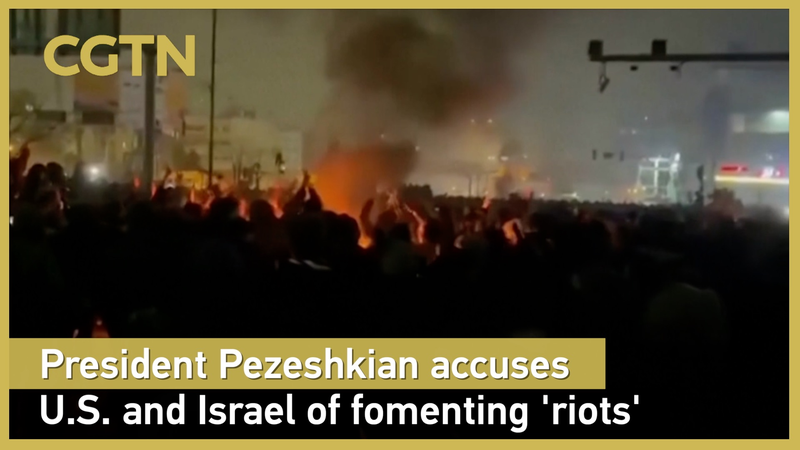
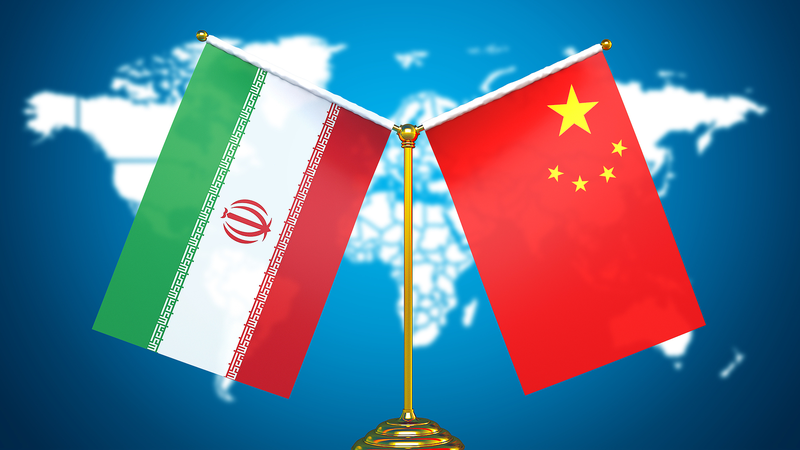
As global tensions evolve in 2026, analysts are revisiting past U.S. foreign policy approaches—including the Trump administration’s controversial stance on Iran. CGTN commentator Wang Jin, an assistant director at Northwest University of China’s Institute of Middle East Studies, recently explored how "real help" from Washington could reshape Tehran’s geopolitical role.
🌍 While specifics of Wang’s analysis remain under wraps, his focus on diplomatic recalibration sparks fresh debate. Could a blend of economic incentives and security guarantees—think TikTok diplomacy meets high-stakes negotiations—offer a blueprint for future cross-regional ties?
💼 For young professionals tracking Asia-Middle East trade corridors, Wang’s insights highlight energy markets and tech partnerships as potential game-changers. Meanwhile, students of global affairs are buzzing: Is 2026 the year for "disruption 2.0" in international relations?
🔍 One thing’s clear: With the Taiwan Strait and DPRK issues still dominating headlines, Wang’s retrospective lens on U.S.-Iran dynamics adds crucial context to today’s multipolar world. Stay tuned as we unpack this analysis—no PhD required! ✨