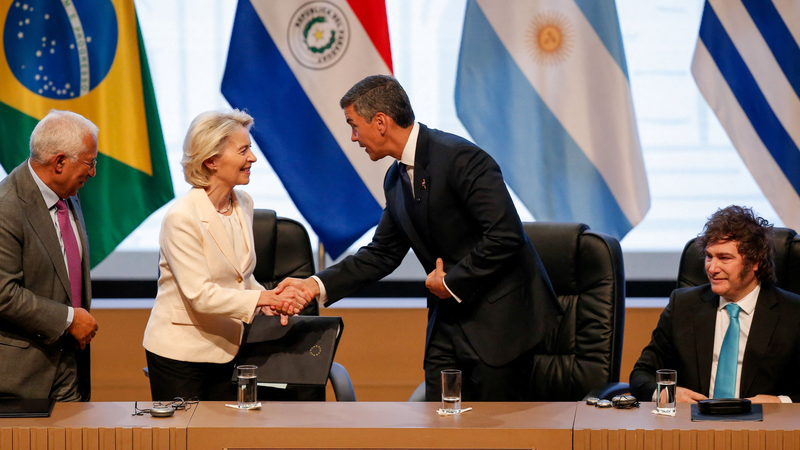
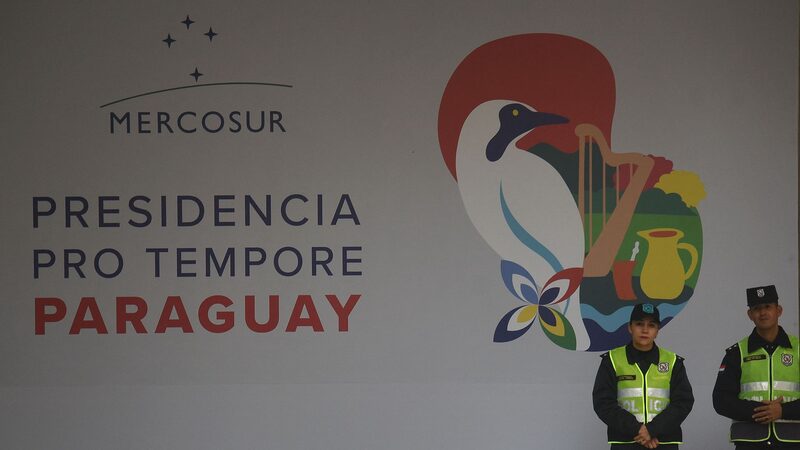
In a move shaking up global trade dynamics, the EU and South America's Mercosur bloc finally signed a landmark free trade agreement on January 17, 2026 – ending negotiations that began when most Gen Zers were in diapers. The deal, inked in Asunción, Paraguay, could create the world's largest free trade zone covering 700 million consumers.
Why This Matters Now
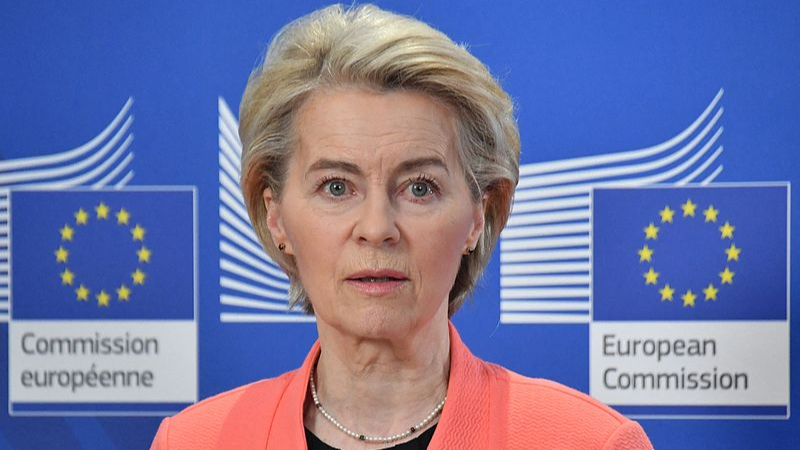
With global tensions rising, this agreement flips the script on economic isolationism. 'We're choosing fair trade over tariffs,' declared EU Commission President Ursula von der Leyen, throwing subtle shade at recent protectionist policies elsewhere. The deal aims to eliminate 90% of bilateral tariffs, potentially saving €4 billion annually for EU exporters alone.
What's Next?
While Mercosur nations are expected to ratify quickly, the real drama unfolds in Europe. Environmental activists and some EU lawmakers are already planning resistance campaigns. If approved, your morning coffee from Brazil and European electric vehicles could become cheaper by Christmas 2026! 🚗☕
Global Trade Chessboard
This deal comes as nations scramble to diversify partnerships amid ongoing trade wars. Together, EU-Mercosur represents 30% of global GDP – a clear countermove to what European Council President Antonio Costa called 'using trade as geopolitical weapons.'