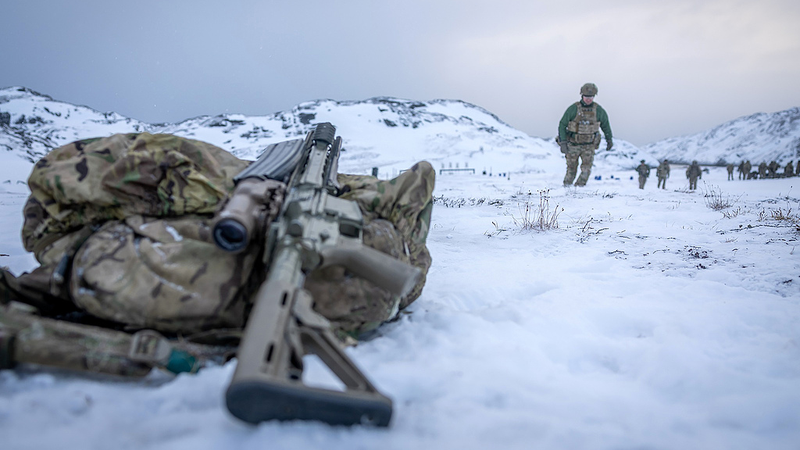
Once a symbol of international cooperation, the Arctic is now a geopolitical battleground as the U.S. intensifies its polar strategy. Recent moves—like unapproved military visits to Greenland and accelerated militarization—are raising alarms about climate risks and global stability. Here’s why 2026 could be a tipping point:
From Science Hub to War Zone?
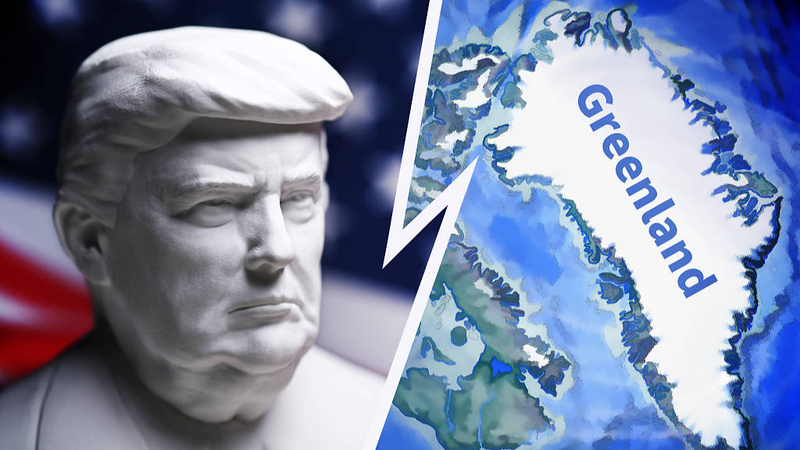
🔍 The U.S. labeled the Arctic a 'strategic competition zone' in its 2022 policy update, openly targeting Russia and China. Last year’s controversial Greenland base visit by VP JD Vance and threats of military force by former President Trump marked a sharp turn toward unilateralism.
Four Global Risks Escalating Now
🌐 Broken Trust: Key Arctic governance bodies like the Arctic Council are collapsing under political pressure.
⚔️ Arms Race: New F-35 deployments in Greenland could trigger nuclear standoffs.
📜 Rulebook Rewrite: Critics say U.S. 'freedom of navigation' claims ignore sovereignty laws they enforce elsewhere.
🌡️ Climate Neglect: Melting ice gets sidelined as military agendas dominate.
China’s Polar Playbook
As a 'near-Arctic state,' China promotes joint research and the Ice Silk Road initiative, contrasting sharply with U.S. tactics. 'Cooperation beats confrontation,' argues researcher Li Pinbao, warning that militarization threatens Indigenous communities and global climate efforts.
❄️ The bottom line: With Arctic temperatures rising faster than diplomacy, 2026’s frozen frontier could decide our planet’s next chapter.