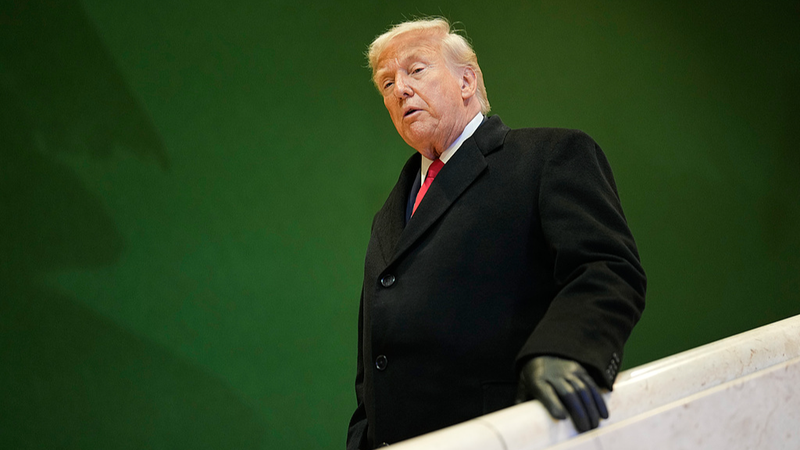
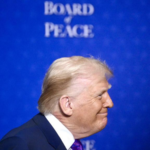
U.S. President Donald Trump’s newly unveiled Board of Peace is stirring controversy at the 2026 World Economic Forum in Davos, with leaders divided over joining the initiative. Described by critics as a rival to the UN, the board has left many nations weighing the risks of refusal against Trump’s unpredictable diplomacy. 💥
Pressure to Join or Face Consequences
Over 35 world leaders have reportedly committed to the board since its launch last week, but invitations to 60 governments—including the Chinese mainland, Russia, and Britain—have sparked behind-the-scenes tensions. Arab and Latin American delegates privately admitted feeling pressured to sign up, with one official asking: "Who can say no to Trump?" 😬
Controversial Charter & Global Backlash
The board’s $1 billion membership fee and Trump’s lifetime leadership clause (requiring unanimous votes for removal) have drawn sharp criticism. France, Norway, and Sweden have declined participation, while Germany and Italy remain undecided. EU diplomats called the process a "bureaucratic nightmare," citing concerns over the board’s opaque legal status and Trump’s unilateral control. 🇪🇺
Trump’s Ambitions & Macron’s Defiance
Trump framed the board as a tool to address global crises, claiming the UN has "never lived up to its potential." However, French President Emmanuel Macron’s refusal prompted Trump to threaten "200% tariffs" on French wines. Analysts argue the initiative reflects Trump’s strategy to cement U.S. influence through ambiguity and leverage. 🍷⚡
As debates rage in Davos, the board’s future hinges on whether more nations will risk defiance—or yield to Trump’s "peace through strength" vision. 🌐