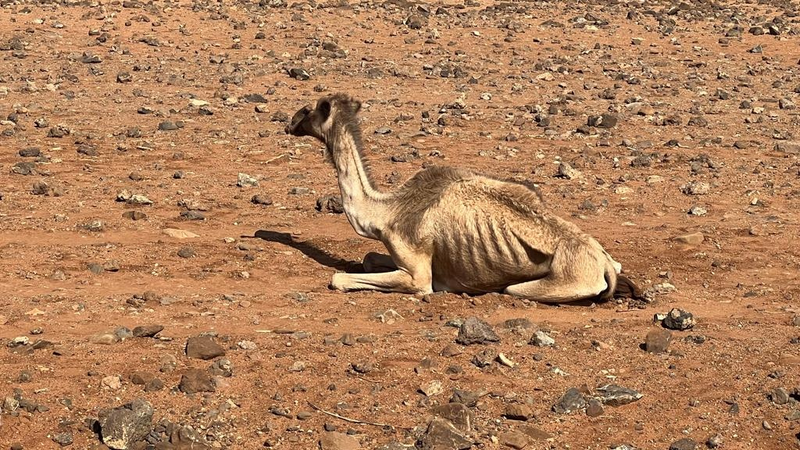
Northern Kenya is facing its worst drought in living memory, with three consecutive failed rainy seasons turning pastures to dust and leaving 1.76 million people in acute hunger. As of January 2026, projections show 2.12 million could now be affected – a climate emergency threatening both people and a way of life. 🐄💔
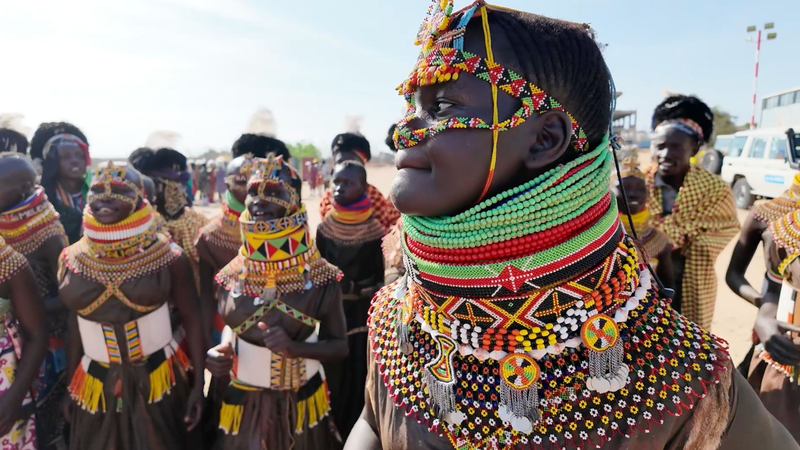
In counties like Mandera and Turkana, malnutrition rates among children under five have skyrocketed as livestock – the lifeblood of pastoral communities – die en masse. "This isn't just about weather patterns," says climate resilience expert Dr. Monica Nderitu. "When herds perish, entire social systems collapse – from nutrition to cultural identity."
The crisis exposes a harsh truth: pastoral mobility is now a survival strategy. Restricting movement of herds during droughts, experts warn, could worsen food insecurity in a region that supplies 90% of Kenya's meat and milk. With climate models predicting more frequent dry spells, traditional knowledge may hold keys to adaptation. 🌾🔑
As families skip meals to feed livestock and students drop out of school, humanitarian groups urge immediate aid. But long-term solutions require rethinking how we support mobile pastoralism in a warming world. The stakes? Nothing less than Kenya's food security and cultural heritage. 🤝🌱