Southern Africa’s catastrophic floods this month aren’t just bad luck—they’re a climate crisis wake-up call. A new World Weather Attribution report confirms that human-driven climate change turbocharged recent downpours, while the La Niña weather pattern poured fuel on the fire. 🌧️🔥
Rainfall on Steroids
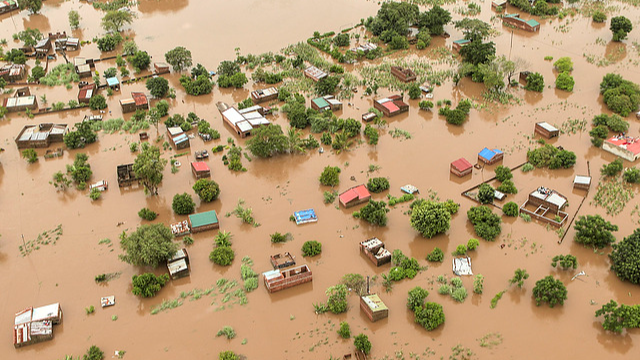
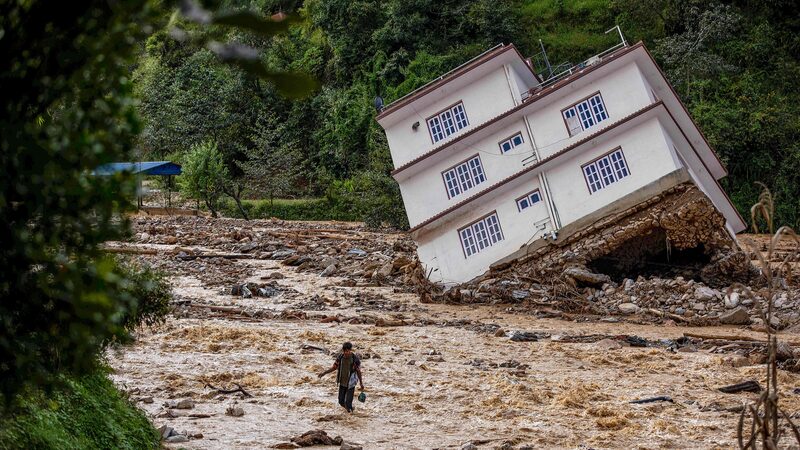
Extreme rain events here are now 40% more intense than in preindustrial times, thanks to warmer oceans from greenhouse gases. Add 2026’s La Niña—which naturally boosts regional rainfall—and you get disaster mode: roads became rivers, parks turned into lakes, and over a year’s rain fell in days.
Impact Zone
Mozambique, South Africa, Zimbabwe, and Eswatini saw the worst chaos. South Africa’s iconic Kruger National Park remains closed after floods wiped out infrastructure, with repairs costing millions. 💸 Local communities face displaced families and damaged crops—a brutal start to 2026.
"This isn’t just weather—it’s climate change shaking hands with natural cycles," the report warns.
Why La Niña Matters Now
While La Niña cools Pacific waters temporarily, climate change keeps global temps (and atmospheric moisture) rising. The World Meteorological Organization notes even weak La Niña cycles now pack bigger punches. 🥊
Bottom line? As one researcher put it: "We’re playing Russian roulette with the climate." Southern Africa’s floods are a stark preview of what’s ahead unless emissions drop—fast. ⏳