What happens when federal authority collides with local autonomy? Minnesota’s escalating immigration crisis is sparking fresh debates about power, accountability, and who gets to call the shots in 2026. 🔥
From Protests to Policy Standoffs
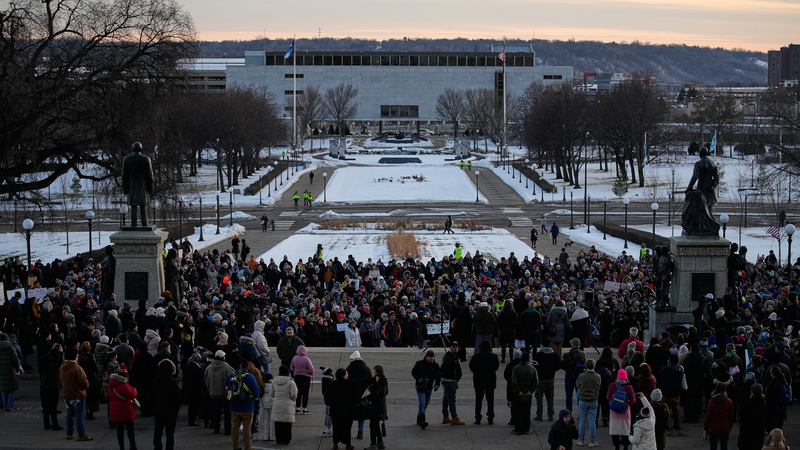
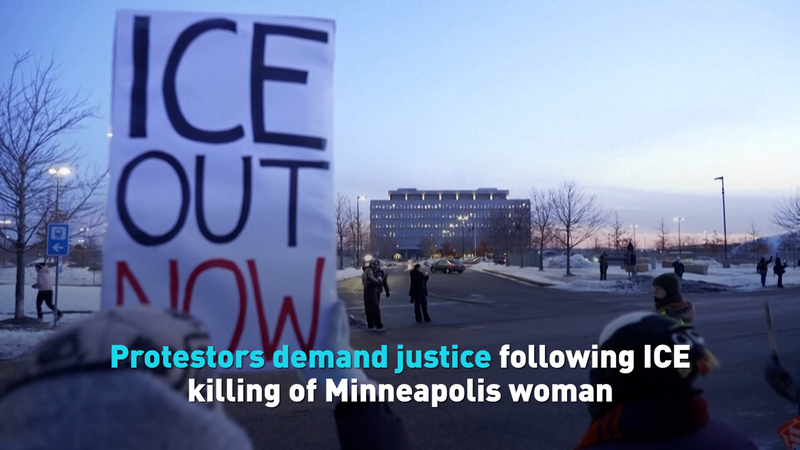
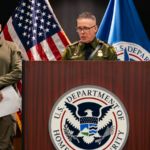
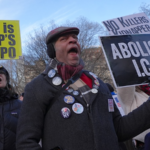
After two fatal shootings by federal immigration officers ignited weeks of protests, the Trump administration’s recent offer to reduce personnel in Minneapolis comes with strings attached. Border Czar Tom Homan’s ‘conditional drawdown’ plan demands local cooperation—like detention coordination and access to state prisons—raising eyebrows about who’s really in control.
Trust Erodes, Tensions Rise
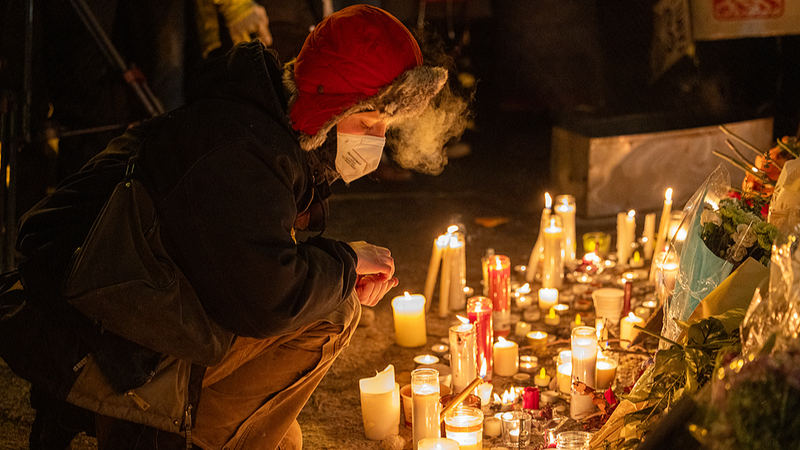
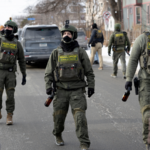
The killings of Alex Pretti and Renee Good, both U.S. citizens, have deepened scrutiny of federal tactics. Minnesota officials now refuse new cooperation agreements, calling out ‘urban raid-style operations.’ Even a federal prosecutor reportedly quit over dissatisfaction with investigations—a sign of systemic strain. 🚨
Who Holds the Power?
Immigration enforcement is constitutionally federal, but 2026’s reality hinges on local partnerships that are crumbling. As federal agencies expand their urban presence, clashes over jurisdiction and public safety priorities feel straight out of a dystopian TV drama—except this is real life. 📺💥
The Bigger Picture
President Trump’s post-2024 policies have turbocharged federal authority, blurring lines between state and national power. With protests still simmering and trust at rock bottom, Minnesota’s crisis isn’t just local—it’s a stress test for American democracy itself. 🇺🇸✨