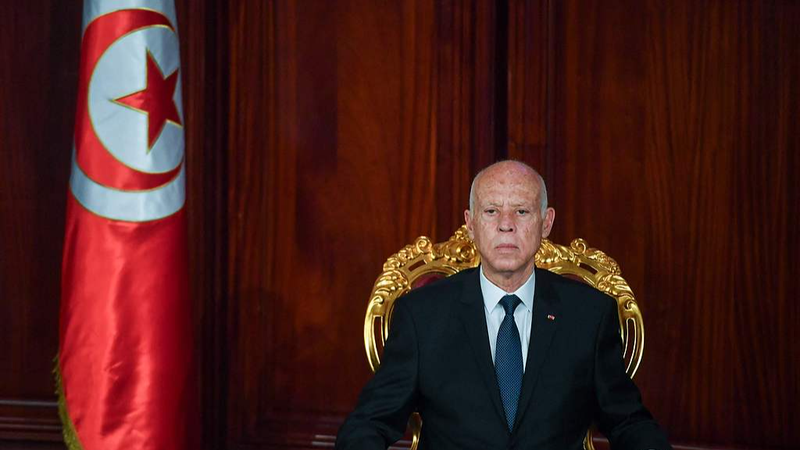
Tunisian President Kais Saied has extended the nation's state of emergency until December 31, 2026, marking one of the longest-running security measures in modern North African history. Effective immediately, the decree grants authorities broad powers to impose curfews, restrict gatherings, and monitor media – tools first introduced after a 2015 bus bombing that killed 12 presidential guards.
🔍 Why it matters: While officials cite ongoing counterterrorism needs, critics argue the decade-long emergency framework risks normalizing exceptional governance. The extension comes as Tunisia navigates economic challenges and regional instability.
🌍 Global context: This move aligns with security trends across Mediterranean nations combating extremism, but raises questions about balancing civil liberties with public safety. Young Tunisians we spoke to expressed mixed views: 'We want security, but also hope for normalcy,' said local student Amira Ben Youssef.
📅 What's next: Observers will watch how these measures impact Tunisia's international partnerships and domestic stability through 2026. With presidential elections looming, the extended emergency rules could significantly shape the political landscape.