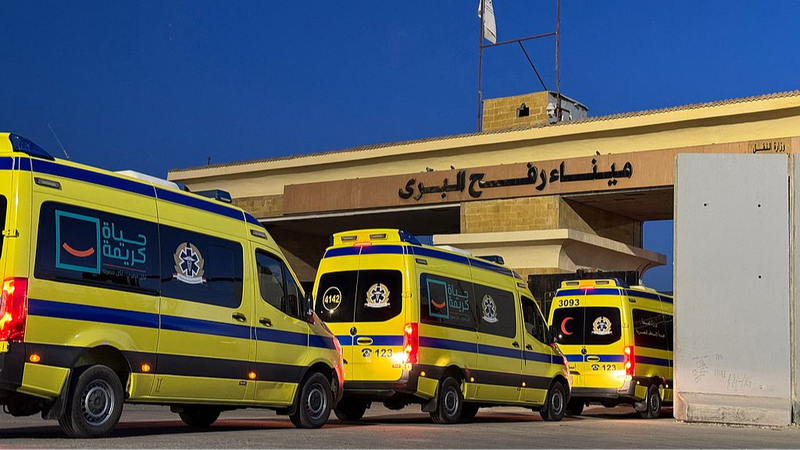
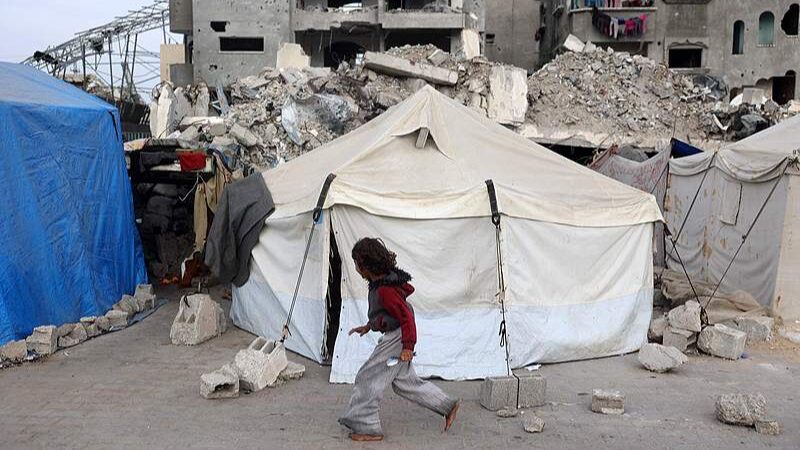
Israel reopened Gaza's Rafah Border Crossing with Egypt on February 2, 2026, allowing restricted foot traffic for the first time since May 2024. The move fulfills part of a US-brokered ceasefire deal, though daily crossings are capped at ~50 people each way. For families separated during the conflict, this offers cautious optimism. 🕊️
Humanitarian Impact and Ongoing Tensions
While medical evacuations and family reunifications resume, violence persists. Recent Israeli airstrikes killed at least four Palestinians this week, including a child. Palestinian resident Mohammed Nassir, who lost a leg in the conflict, told NewspaperAmigo: 'This crossing is our lifeline – but we need lasting peace, not temporary gates.'
How the New System Works
✅ Requires Israeli security approval
✅ 2.5km walk through Israeli-controlled corridor
✅ Three-stage checkpoint process
EU official Kaja Kallas called it 'a concrete step toward peace,' though critics argue the strict controls maintain Gaza's isolation. Meanwhile, foreign journalists remain barred from entering the territory.
What's Next?
With 53% of Gaza still under Israeli control, reconstruction talks stall over Hamas' refusal to disarm. As the world watches, this fragile reopening reminds us: real healing requires more than open gates – it needs open dialogue. 💬