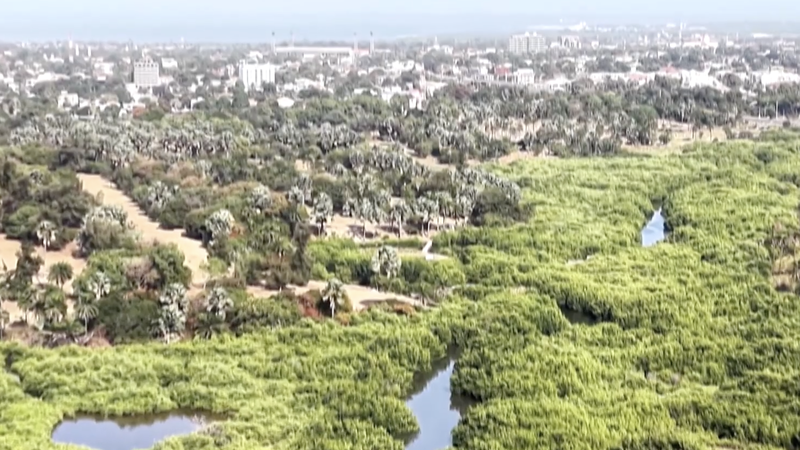
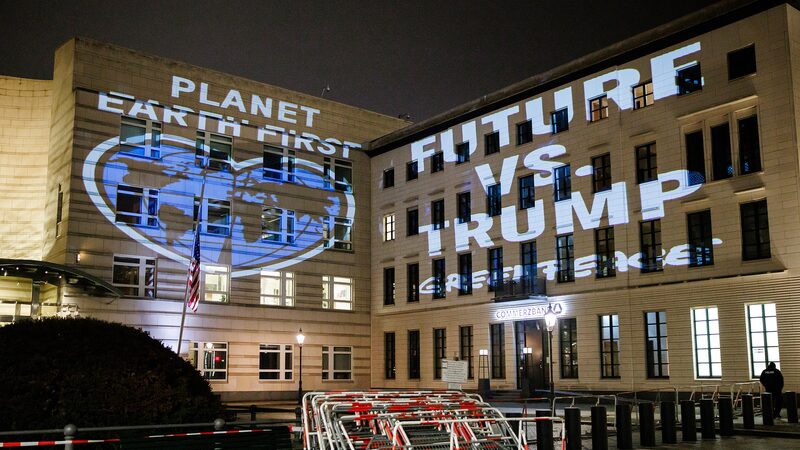
The ripple effects of the U.S. withdrawal from the Paris climate agreement have hit hard in Africa, where youth-led environmental projects now scramble to fill funding gaps. From mangrove restoration in The Gambia to drought-resistant farming initiatives, grassroots efforts face uncertainty as international support wavers.
🇬🇲 The Gambia—ranked 151st globally for climate readiness—has seen immediate impacts. Maimuna Jabbie of Great Green World Frontline Gambia told NewspaperAmigo.com: "The funding loss caused chaos. We’re pivoting to self-reliance, but restoring mangroves and indigenous forests can’t wait."
🌡️ With climate finance needs projected to exceed $310 billion annually by 2035, experts warn vulnerable nations are being left behind. Professor Sidat Yaffa, a former climate negotiator, stressed: "The Gambia’s 2050 net-zero goal is nearly impossible without backing. This isn’t just about trees—it’s survival."
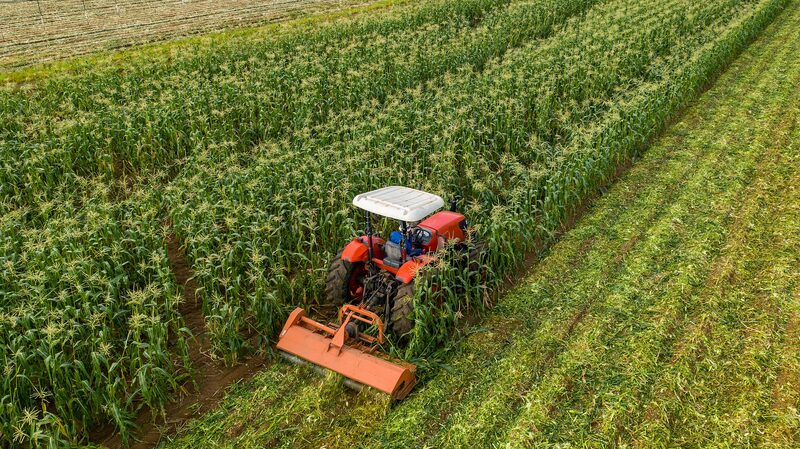
💪 Young activists like Muhammed Bah are turning frustration into action: "No one’s coming to save us. We’re building flood barriers and teaching climate-smart agriculture ourselves." Their resilience highlights a global truth: As mega-donors step back, local innovation becomes frontline defense against rising seas and scorching temps.
📉 While The Gambia’s climate commitments earned global praise, its path forward remains steep. Can grassroots grit offset vanished funds? For millions facing climate chaos, the answer isn’t optional—it’s existential.