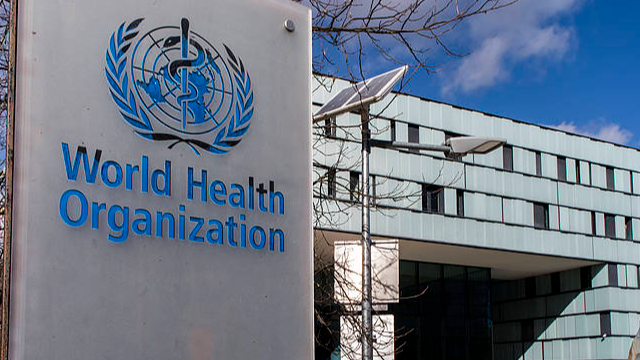
The United States officially withdrew from the World Health Organization (WHO) this week, leaving a $500M+ annual funding gap and triggering alarm across Africa. With the continent heavily reliant on WHO programs for disease control and healthcare infrastructure, experts warn this could be a “domino effect” moment for global health equity.
Why Africa Feels the Shock
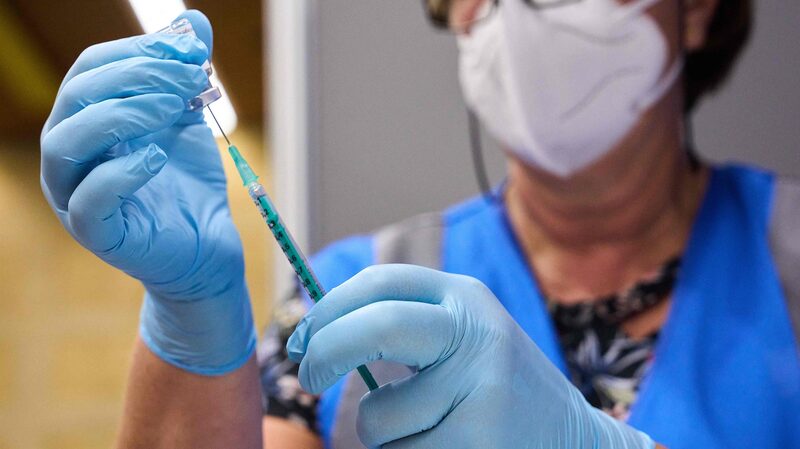
From malaria prevention to COVID-19 variant tracking, 60% of Africa’s public health initiatives receive WHO support. The US contributed 15-18% of the agency’s budget before 2026, and its exit risks delaying vaccine rollouts and emergency responses. 🚨</p>
Silver Linings or Storm Clouds?</h3>
Some African leaders see this as a wake-up call to strengthen local systems. “We can’t outsource our health security,” said Dr. Amina Bello, a Nairobi-based epidemiologist. Meanwhile, China and the EU have pledged temporary funding boosts—but long-term solutions remain uncertain.</p>
Youth-Led Innovations Rise</h3>
Gen-Z entrepreneurs are stepping up, launching apps for vaccine tracking and telemedicine startups. Could 2026 mark Africa’s shift toward self-reliance? 💡</p>