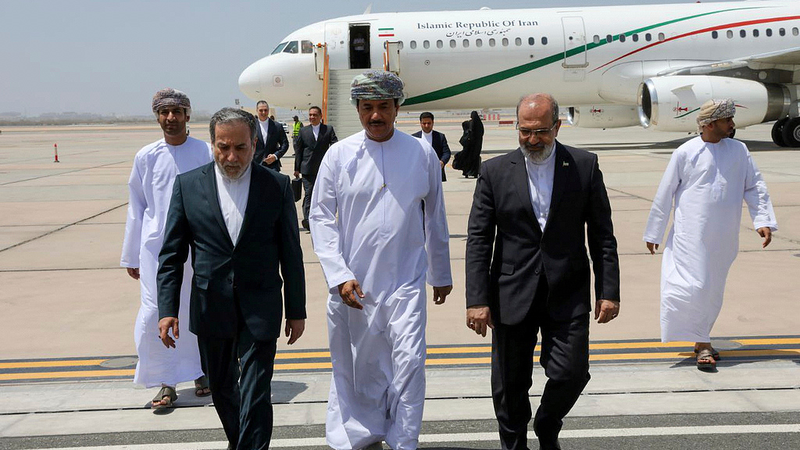
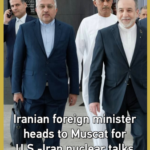
High-stakes nuclear talks between Iran and the U.S. kick off today in Muscat, Oman, amid escalating military posturing and deep-rooted mistrust. Here’s what you need to know:
Who’s at the Table? 🤝
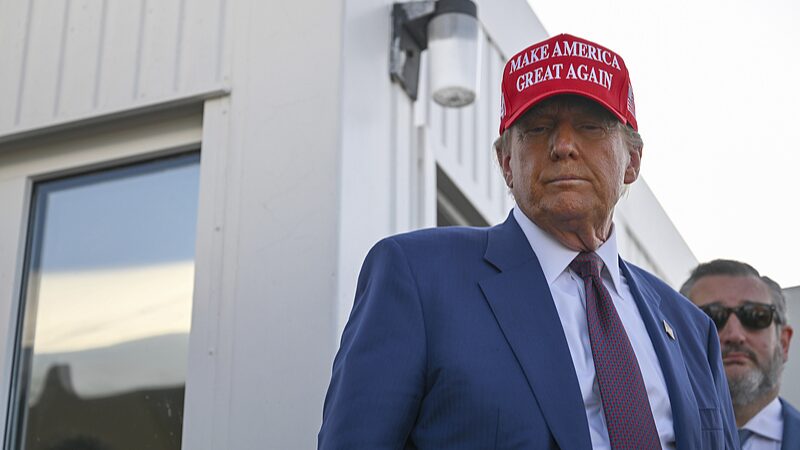
Iran’s delegation, led by Foreign Minister Abbas Araghchi, includes top nuclear and legal advisors. The U.S. team features Trump envoy Steve Witkoff and Jared Kushner. White House Press Secretary Karoline Leavitt called diplomacy Trump’s "first option" but warned Iran not to ignore Washington’s "many options"—a thinly veiled nod to military threats.
Venue Drama & Regional Jitters 🌪️
After Iran insisted on moving talks from Istanbul to Oman—a move that nearly derailed negotiations—regional powers like Saudi Arabia and Egypt pushed both sides to proceed. Reports suggest Arab states are urging a non-aggression pact, though Israel’s participation remains unlikely.
Sticking Points: Nukes, Missiles, & Proxies 💣
The U.S. demands Iran halt uranium enrichment, limit missile ranges, and end support for regional allies. Tehran refuses, calling its nuclear program "inalienable" and missiles non-negotiable. Analysts warn Washington’s "maximum pressure" approach risks further destabilizing the Middle East.
Military Moves Escalate ⚔️
Both sides are flexing muscle: the U.S. deployed the USS Abraham Lincoln carrier group, while Iran unveiled a new underground missile base this week. Tensions spiked after a U.S. F-35 downed an Iranian drone, which Tehran denies.
With Trump demanding "zero nuclear capability" and Iran digging in, today’s talks could decide whether diplomacy prevails—or conflict reignites.