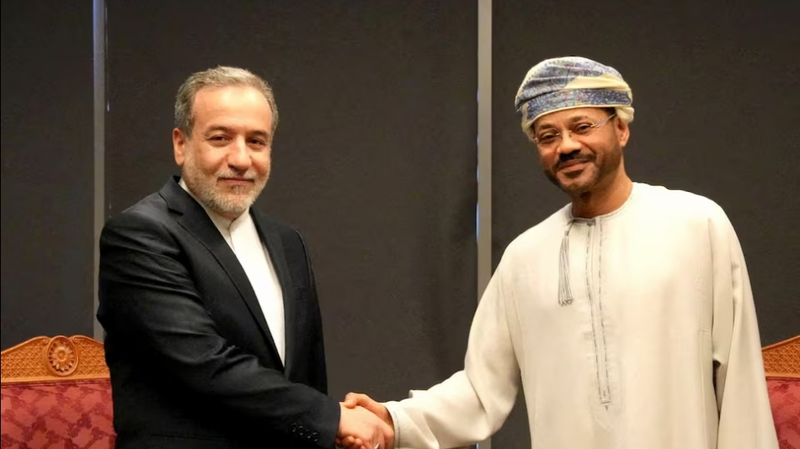
As U.S.-Iran indirect negotiations resume in 2026, mediated by Oman, global observers are asking: Can diplomacy ease tensions in a year already marked by military brinkmanship? 🌍⚡️ Li Shaoxian, president of the Chinese Academy of Arab Studies, breaks down the stakes for young readers.
Why This Round Matters: Unlike past talks, these discussions unfold amid heightened military posturing. While no breakthroughs emerged, both sides agreed to keep talking—a middle-ground outcome that avoids worst-case scenarios. "This isn’t optimism or pessimism," says Li. "It’s about managing risks in real time."
Missiles & Sanctions: The Eternal Sticking Points 🚀💥 Iran’s ballistic missile program remains a red line, with the U.S. and allies like Israel demanding restrictions. Meanwhile, Tehran seeks sanctions relief—a core demand since the 2015 nuclear deal collapsed. "Compromise is possible," Li notes, "but trust is thinner than ever."
Trump’s Strategy: Pressure + Retreat? 🎯 Despite 2026’s military buildups, experts see a U.S. shift toward "strategic contraction" in the Middle East. "Washington wants fewer troops, less responsibility, but can’t ignore regional vacuums," Li explains. The goal? Lock in alliances (like Israel-Arab ties) to enable a gradual pullback.
What’s Next: Oman will likely host future rounds, with Iran prioritizing direct U.S. engagement over regional mediation. For now, talks continue—proving that even rivals prefer dialogue to disaster. 💬✨