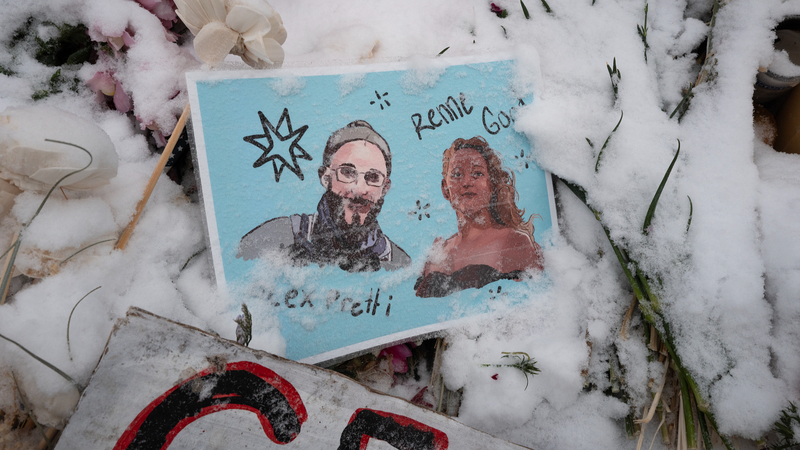
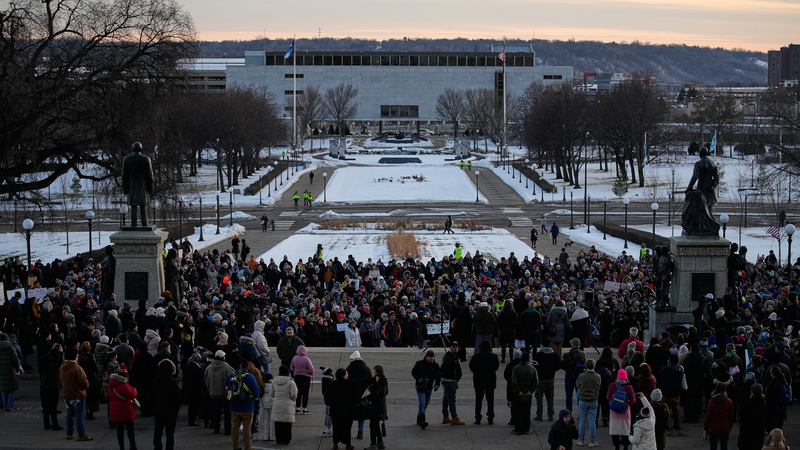
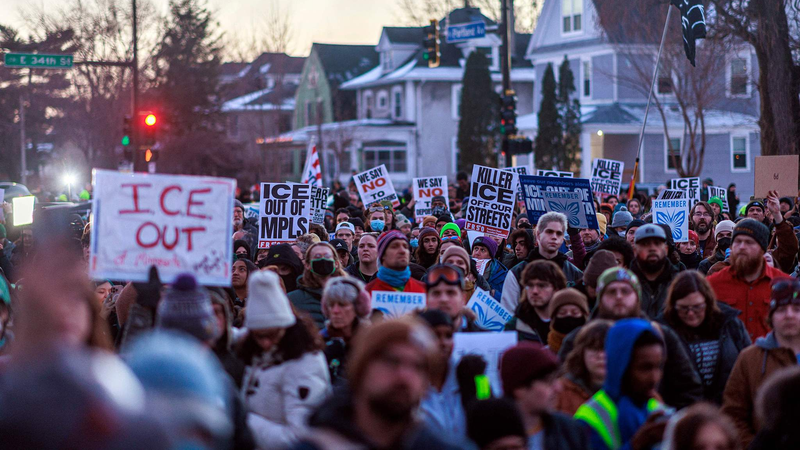
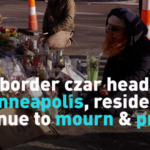
Two fatal shootings by federal agents in Minneapolis this year – both occurring during immigration policy protests – have ignited heated debates about unequal justice under law. The cases of Renee Good (Jan. 7) and Alex Pretti (Jan. 24) reveal stark contrasts in how authorities handle lethal force incidents, with political pressures appearing to shape outcomes 🚨.
Good, an unarmed 37-year-old, was shot through her vehicle window while attempting to drive away from ICE agents. Despite video evidence contradicting initial claims of "violent behavior," the Justice Department declined to open a civil rights investigation. Critics argue this decision followed political calculations rather than legal merits.
In contrast, Pretti’s case saw federal intervention after backlash from unexpected quarters. The 37-year-old nurse was filmed holding a phone – not a weapon – when shot during medical aid efforts. While initial federal statements labeled him a "danger," pressure from pro-gun groups (key Trump allies) ultimately pushed the DOJ to launch a formal probe last week 🔍.
"When political survival dictates justice, we’ve lost the rule of law," tweeted activist @JusticeNow2026, capturing growing public skepticism. The diverging responses highlight how institutional decisions may be influenced by which constituencies protest loudest – not just factual evidence.
With both cases still trending on #MinneapolisJustice, young activists are organizing nationwide "Equal Protection" rallies this month. As 2026 election campaigns heat up, these shootings could become litmus tests for candidates addressing police reform and government accountability ✊.