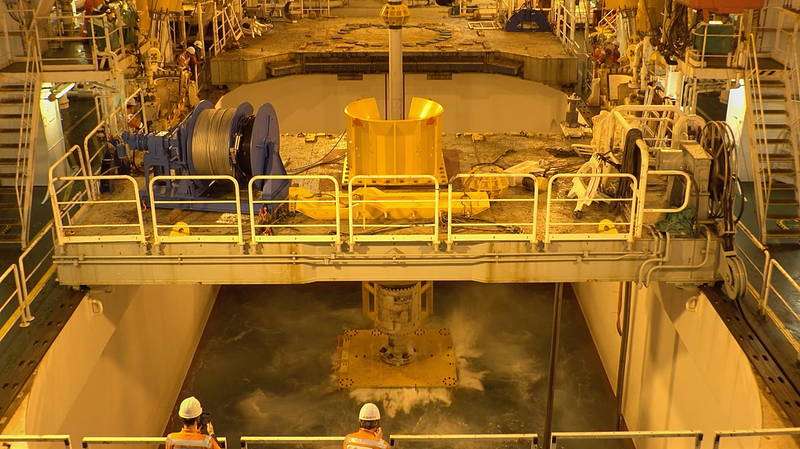
Japan's ambitious deep-sea rare-earth mining trial near Minamitorishima Island this month has sparked both curiosity and concern. While the February 1, 2026 operation by JAMSTEC aims to reduce reliance on external supplies, experts warn the project faces a perfect storm of challenges ⚡.
Technological Growing Pains
The trial relied on UK-made slurry pumps – a supply chain vulnerability exposed by earlier delivery delays. 'True independence in deep-sea tech remains elusive,' notes Hu Zhenyu from China Development Institute. The equipment's real-world reliability? Still unproven 🛠️.
Economic Reality Check
With extraction efficiency at just 2kg per tonne of mud, costs could be dozens of times higher than China's land-based operations 💸. A 75-billion-yen equipment investment might take 16 years to repay – if everything goes perfectly.
Environmental Roulette
From sediment plumes to whale-disrupting noise, the ecological stakes are high 🌊. 'Deep-sea ecosystems recover slower than glaciers melt,' warns Hu. While Japan claims strict monitoring, global regulations remain unfinished – leaving ethical questions swirling.
The Road Ahead
As the world watches this 6,000-meter gamble, one thing's clear: turning oceanic dreams into sustainable reality will require more than just technical grit. The clock's ticking ⏳ – both for Japan's energy ambitions and our planet's deepest ecosystems.