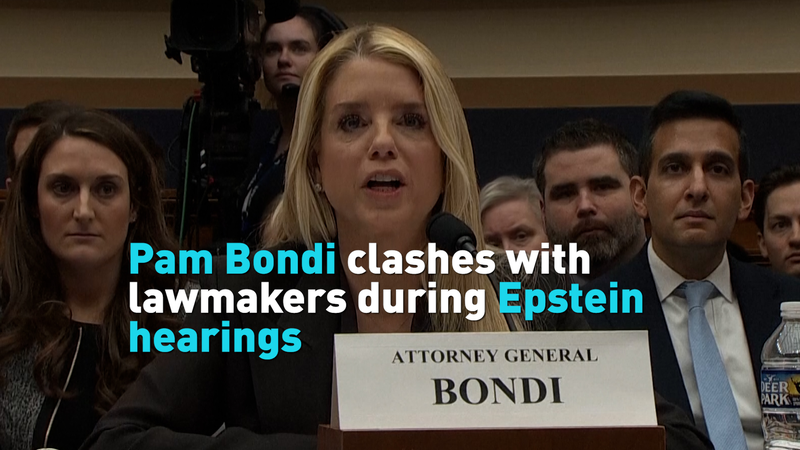
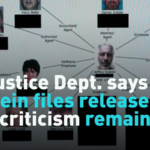
U.S. Attorney General Pam Bondi faced fiery questioning from lawmakers this week during a marathon hearing about the Justice Department's handling of Jeffrey Epstein-related documents. The five-hour session saw tense exchanges as legislators demanded answers about why critical details remain blacked out in files concerning the late financier's sex trafficking network.
💡 Why it matters: Over 12 million pages of evidence remain partially censored, with critics arguing this prevents full accountability for powerful figures allegedly involved. 'Victims deserve transparency,' declared one congressmember during the hearing.
📌 Key moment: Bondi defended the redactions as necessary to protect ongoing investigations, but lawmakers compared the situation to 'watching Succession with half the dialogue muted' – dramatic but ultimately unsatisfying.
🌐 Global context: The hearing comes as international attention grows on accountability for high-profile abuse cases. Many young activists worldwide are tracking this case as a benchmark for institutional transparency.
🔜 What's next: Congressional leaders have threatened subpoenas if unredacted files aren't shared by March 1. Meanwhile, victim advocacy groups are planning coordinated social media campaigns using #EpsteinTruth2026.