The 62nd Munich Security Conference has become a stage for simmering transatlantic tensions, with European leaders openly questioning Washington's commitment to shared priorities. As debates over Arctic sovereignty, Ukraine, and global governance unfolded this week, one theme dominated: Is the U.S.-Europe alliance weathering a storm or heading for icebergs? 🚢💥
‘Wrecking-Ball Politics’ Era
This year’s conference opened with a dire warning in its 2026 Munich Security Report, declaring international norms 'under destruction' amid shifting power dynamics. Researchers highlighted Washington’s move away from post-WWII multilateralism, leaving European delegates grappling with what Tobias Bunde called 'strategic redefinition.'
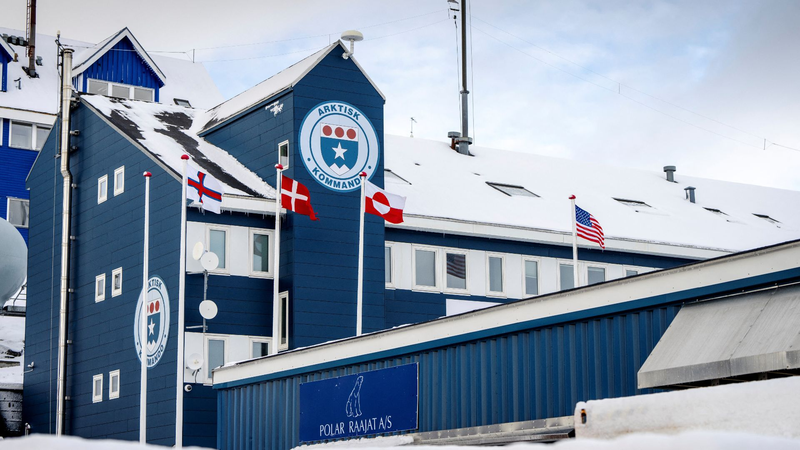
Greenland Heats Up ❄️🔥
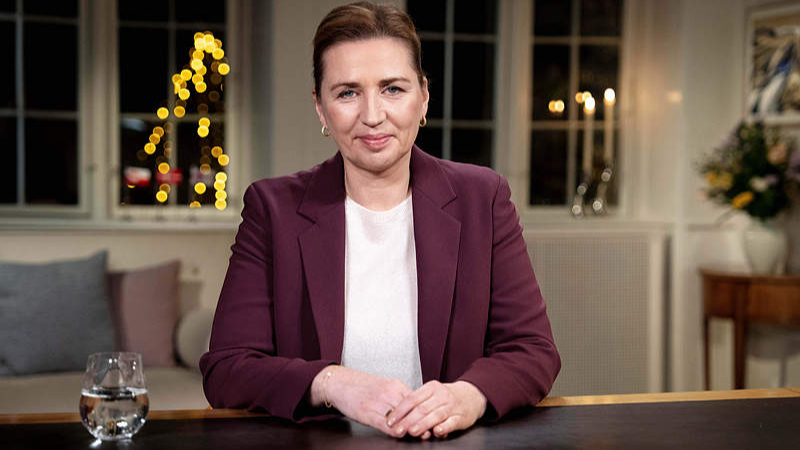
Danish PM Mette Frederiksen’s fiery 'Greenland is not for sale' remark drew applause, reflecting European frustration with perceived U.S. overreach. The Arctic territory debate became symbolic of wider concerns about Washington’s 'America First' approach clashing with European sovereignty.
Zelenskyy’s Concession Concerns
Ukrainian President Volodymyr Zelenskyy added fuel to the fire, stating: 'The U.S. too often asks Ukraine to make compromises.' His comments came as Chinese FM Wang Yi urged Europe to claim a seat at negotiation tables, not just 'be on the menu.'
Europe Flexes Muscle 💪
French President Macron’s call for Europe to become a 'geopolitical power' resonated through the halls. German Chancellor Friedrich Merz took subtle jabs at U.S. unilateralism, while EU Commission President von der Leyen pushed for 'strategic autonomy' amid trade and regulatory pressures.
As one EU parliament leader bluntly assessed a U.S. speech: 'It was a poisoned declaration of love.' With transatlantic ties at a crossroads, 2026 could mark a historic shift in global alliances.