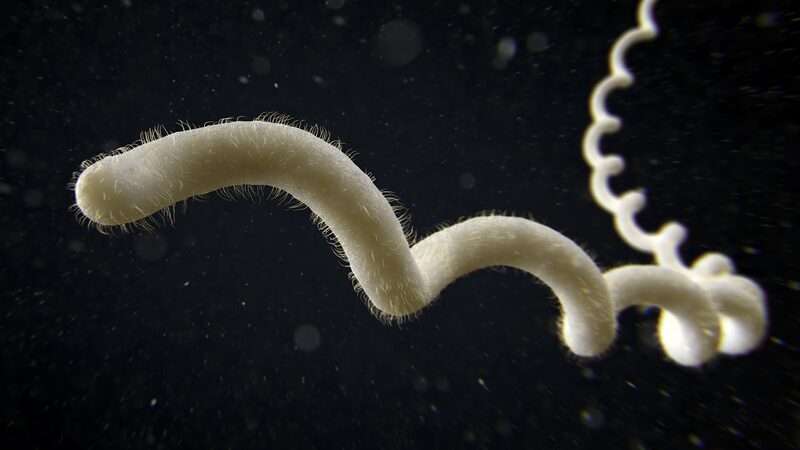
Traces of antibiotics used in Tasmania's salmon farms have been detected in wild marine species over 10 kilometers from aquaculture sites, raising alarms about environmental spread and potential superbug risks. While public health officials confirm seafood remains safe for consumption, scientists warn even low-level exposure could accelerate antibiotic resistance – a global health threat.
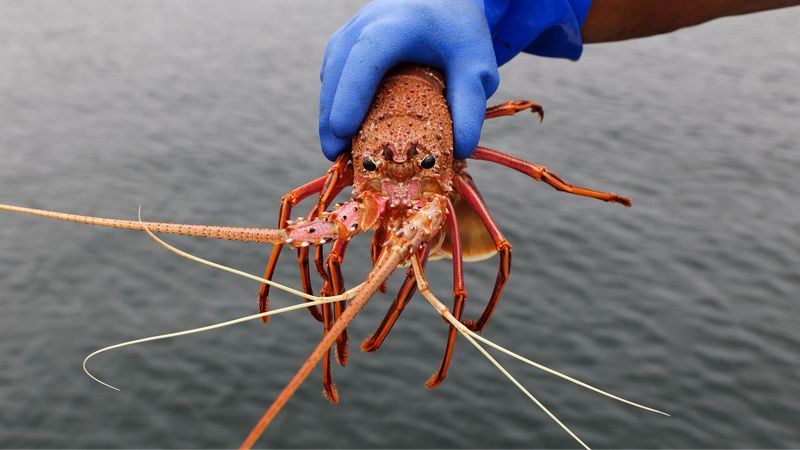
🔬 Researchers found traces in species like shellfish and crustaceans, with contamination patterns suggesting ocean currents disperse farm-related chemicals. "This isn’t just a local issue," said marine biologist Dr. Erin Ko. "It shows how interconnected our ecosystems are – what happens in aquaculture can ripple through food chains."
🌏 The findings come as Tasmania positions itself as a leader in sustainable aquaculture. Industry representatives emphasize compliance with regulations, but environmental groups call for stricter antibiotic monitoring. With global seafood demand rising, this discovery sparks fresh debates about balancing food production with ocean health.