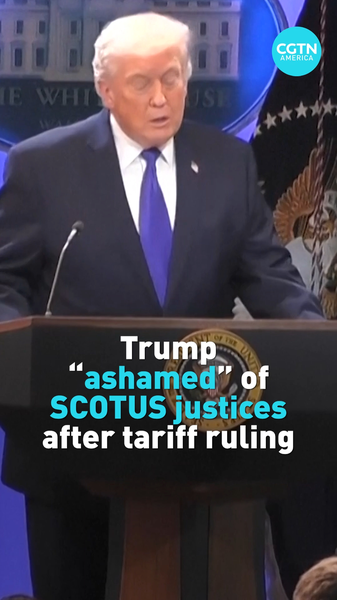
In a seismic legal showdown, the U.S. Supreme Court ruled on February 21, 2026, that former President Donald Trump’s use of emergency powers to impose global tariffs was unconstitutional. The 6–3 decision immediately reignited political firestorms and market volatility as Trump retaliated with a new 10% tariff order. 💥
Court Clash & Constitutional Limits
Chief Justice John Roberts emphasized that Trump’s sweeping tariffs under the International Emergency Economic Powers Act (IEEPA) lacked congressional approval, reaffirming that tax authority rests with lawmakers. The ruling invalidated tariffs collected since 2025, totaling $129 billion, but left refunds unresolved—a legal headache for businesses. ⚖️
Trump’s Swift Counterpunch
Within hours, Trump invoked Section 122 of the 1974 Trade Act to impose a 10% 'global tariff' effective February 24. Critics called it a loophole exploit, as the measure expires in 150 days without Congress’s nod. 🌍📉 'Time to pay the piper, Donald,' snapped California Governor Gavin Newsom, demanding refunds for 'illegal cash grabs.'
Global Reactions & Market Jitters
While the EU and Canada welcomed the court’s defense of rule-of-law principles, analysts warn of renewed supply-chain chaos. 'Uncertainty is the new normal,' said Varg Folkman of the European Policy Centre. Markets initially rallied but slumped as Trump’s new order dropped—proving trade wars are still trending. 📊🔥
What’s Next?
With legal battles looming over refunds and the 10% tariff’s legality, businesses brace for whiplash. Meanwhile, a Federal Reserve report confirms U.S. consumers bore 90% of tariff costs in 2025. Will 2026 repeat history? Stay tuned. 📅💸