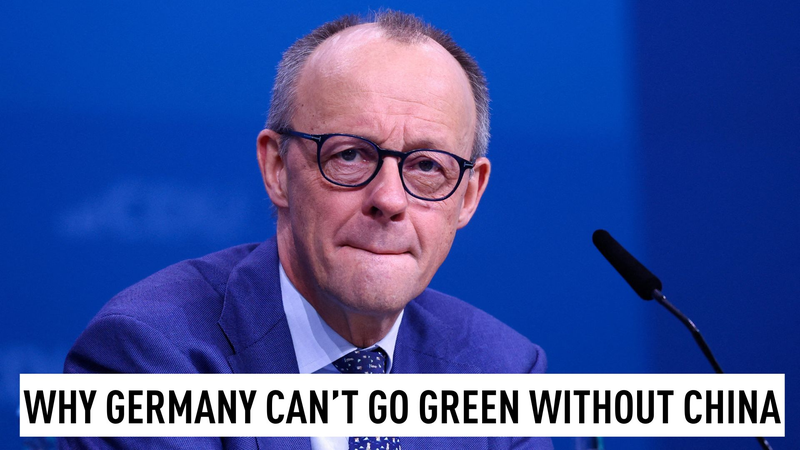
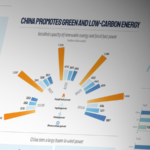
As Germany races to stabilize its economy through renewable energy, new data reveals an unavoidable truth: the European powerhouse can't go green without China. With Chancellor Friedrich Merz set to visit Beijing soon, energy cooperation takes center stage in 2026’s most crucial economic balancing act. 🔋
The Wind Beneath Their Turbines
Germany plans to install 30GW of offshore wind capacity by 2030 – enough to power 20 million homes. But here’s the twist: 90% of the rare earth magnets in those whirring turbines come from Chinese suppliers. 🇨🇳🇩🇪
"We’re entering a new phase of dependency," warns Dr. Claudia Kemfert of the German Institute for Economic Research. "From solar panels to EV batteries, our green transition is wired through Chinese tech."
Solar Panels & Supply Chain Tango
Last month’s Hamburg energy summit saw European leaders pledge closer wind power collaboration. But behind the scenes, Chinese manufacturers supply 80% of Europe’s solar components – a figure expected to grow as Germany accelerates its renewable rollout. 🌞
The Battery Bottleneck
With electric vehicle production scaling up, Germany faces another China-linked challenge: lithium-ion batteries. Analysts predict Chinese firms will control 65% of global battery production by 2028, leaving Berlin walking a tightrope between energy security and economic pragmatism. ⚡
As Merz packs his briefcase for China, one question looms: Can Germany green its economy without handing Beijing the keys to its energy future? The answer might just shape Europe’s climate goals for decades. 🌱