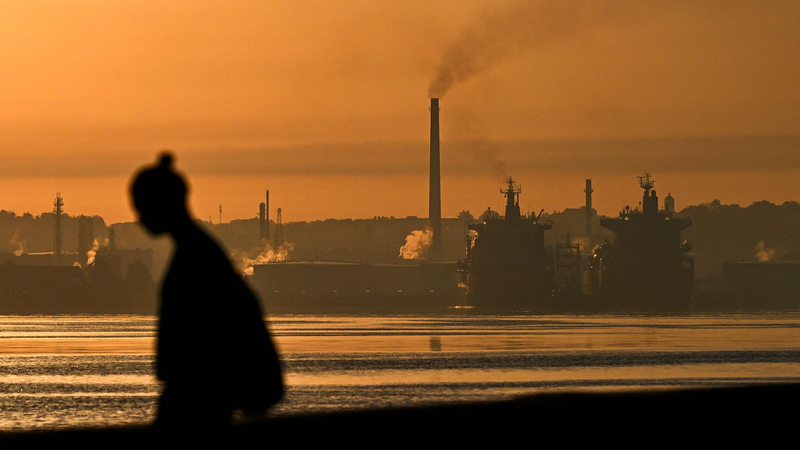
In a move sparking global debate, the U.S. Treasury announced this week it will permit the resale of Venezuelan oil to Cuba’s private sector under new licenses—a shift from years of strict sanctions. The policy, effective immediately, aims to support Cuba’s non-governmental sectors while isolating its military and government institutions. 🛢️💡
Policy Shifts and Private Sector Focus
The Office of Foreign Assets Control (OFAC) stated it will prioritize licenses for commercial and humanitarian oil exports to Cuba’s private businesses, a rare opening amid ongoing tensions. However, transactions linked to Cuban state entities remain banned, reflecting Washington’s stance that Cuba poses a "national security threat."
Geopolitical Tensions Simmer
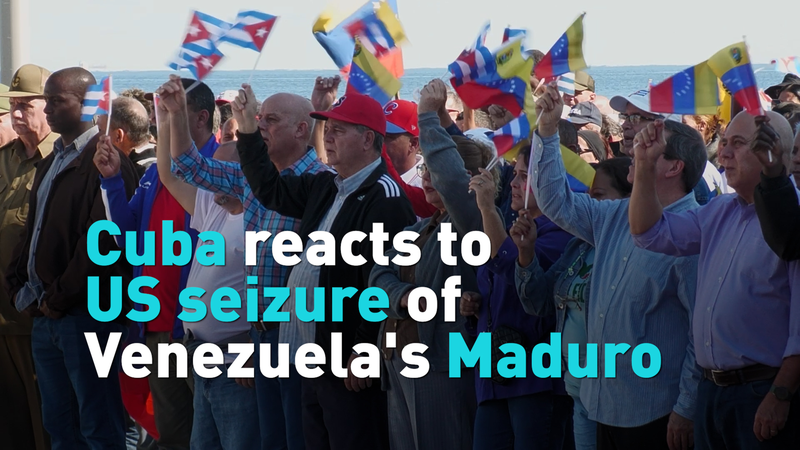
This decision follows the U.S. military’s January 2026 intervention in Venezuela, which ousted President Nicolás Maduro and placed American control over the country’s oil exports. Critics argue the policy contradicts earlier pledges to block Cuban access to Venezuelan resources, while advocates call it a pragmatic step to ease regional crises. 🌎⚖️
Meanwhile, U.S. President Donald Trump’s January 29 executive order—threatening tariffs on countries supplying oil to Cuba—looms in the background, adding complexity to global energy markets. Analysts warn the move could reshape Caribbean geopolitics in 2026.