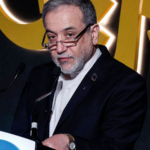
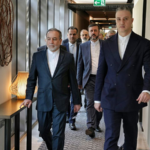
High-stakes nuclear negotiations between the U.S. and Iran resumed in Geneva this week, with Washington demanding an indefinite agreement to prevent Tehran from developing atomic weapons. The third round of indirect talks comes amid fresh U.S. sanctions and heightened tensions over Iran's ballistic missile program. 💥
Iranian Foreign Minister Seyed Abbas Araghchi vowed to pursue a "fair and equitable" deal through diplomacy, while U.S. Vice President JD Vance reiterated America's red line: "Iran cannot have a nuclear weapon." 🔥 The gap between both sides remains wide, with Secretary of State Marco Rubio calling Iran a "grave threat" ahead of Thursday's session.
In a twist that's got geopolitics watchers buzzing 🐝, the U.S. reportedly wants any future deal to last indefinitely—a major shift from previous time-limited agreements. This comes as Washington slapped new sanctions on 30+ Iranian entities and vessels just one day before talks began. 💼
With young professionals and global news enthusiasts tracking every development, analysts say the outcome could reshape Middle East security dynamics. Students and diaspora communities are particularly watching how cultural ties might evolve if tensions ease. 🌐
As the digital generation follows this real-life diplomatic drama, one thing's clear: The road to nuclear compromise remains as winding as ever. 🔄