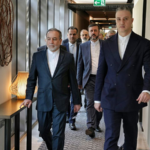
The U.S. and Iran wrapped up their latest round of nuclear negotiations in Geneva this week, marking the longest and most serious dialogue since talks resumed in early February 2026. While no deal has been reached yet, both sides hint at cautious optimism—even as over 100 U.S. fighter jets and two aircraft carriers remain stationed in the Middle East, creating a high-stakes backdrop. 🚨
Why It Matters: With military tensions simmering, these talks could redefine regional stability. Iran insists its uranium program and missile defenses are non-negotiable, while the U.S. pushes for stricter limits. The outcome could impact global energy markets and security dynamics.
Timeline Recap:
Feb 6: First indirect talks in Oman focused solely on nuclear issues. Iran rejected transferring uranium abroad.
Mid-Feb: Second round saw clashes over missile limits, which Tehran called a “red line.”
Feb 26: Geneva talks ended with no deal but “progress” noted. Diplomatic marathon continues.
What’s next? Analysts say rebuilding trust is key—but with military assets on standby, the clock is ticking. Stay tuned for updates! ⏳