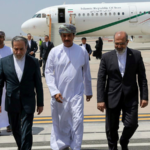
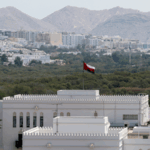
Tensions between Iran and the U.S. reached a boiling point this week as military strikes followed three rounds of indirect nuclear talks mediated by Oman. Here’s what you need to know about the diplomatic timeline and sudden escalation. 🌍💥
Feb 6: First Round in Muscat
U.S. President Donald Trump called initial talks "very good," while Iran’s Foreign Minister Seyed Abbas Araghchi described them as a "positive" start focused solely on nuclear issues. Both sides agreed to meet again soon. 🔄
Feb 17: Geneva Talks Turn Technical
Round two in Geneva saw progress on technical nuclear details, with the U.S. calling discussions "constructive." Iran emphasized the need for sanctions relief and reciprocity. Draft frameworks were prepared, but no deal yet. 📝
Feb 26: Third Round Ends Without Deal
Days before the Feb 28 military strikes, talks in Geneva ended with "significant progress" on nuclear and sanctions issues, per Iran. Trump, however, expressed frustration, stating he’s "not happy" and hinted at force. Technical talks were planned for March 2 in Vienna. ⏳
Military Strikes Shake Region
On Feb 28, Trump announced "major combat operations" hours after Israel’s "preemptive" strike. Iran closed its airspace amid the attacks, marking a sharp turn from diplomacy to conflict. Analysts warn the escalation could derail future negotiations. 🚨