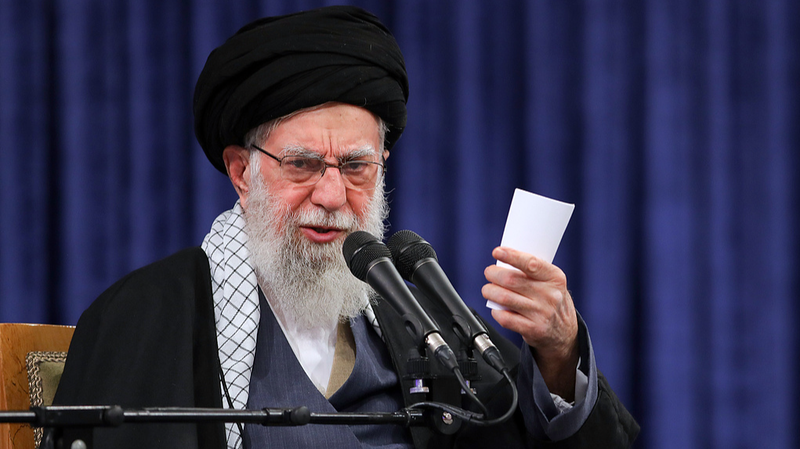
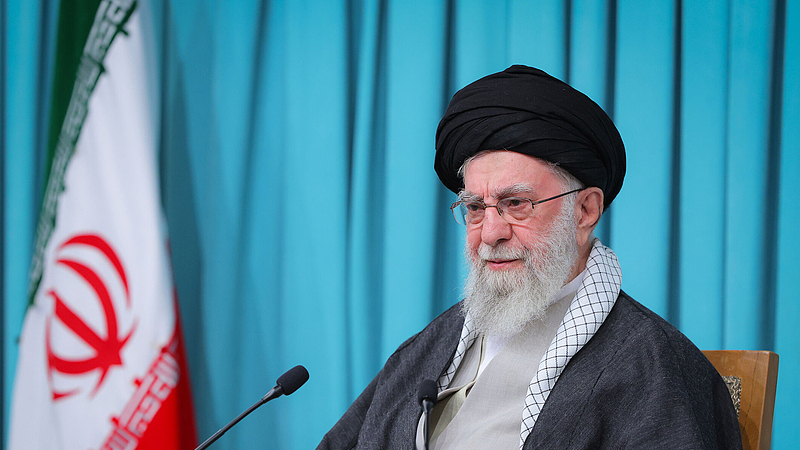
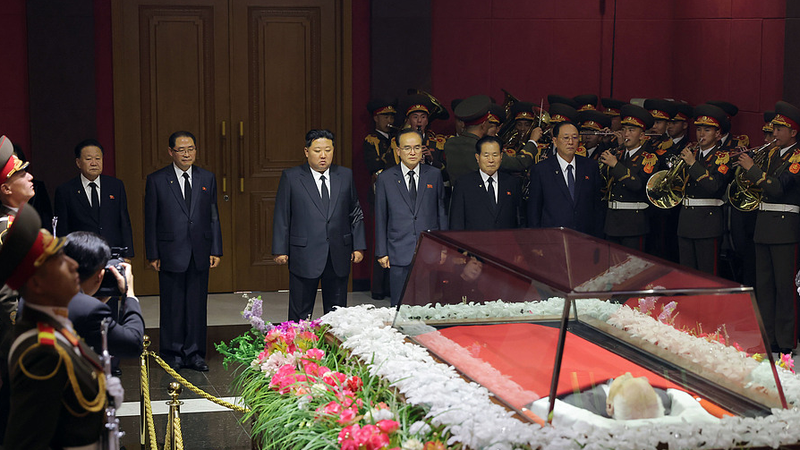
Iran’s Supreme Leader Ali Khamenei, one of the most influential figures in modern Middle Eastern politics, has died at age 86 as confirmed by state media this week. His passing marks the end of a 37-year era that shaped Iran’s domestic and global policies. 🕊️
From President to Supreme Leader: A Lifetime of Power
Born in 1939 in Mashhad, Khamenei rose through Iran’s political ranks during turbulent times. After serving as president from 1981 to 1989, he became Supreme Leader following Ayatollah Ruhollah Khomeini’s death—a role granting him ultimate authority over Iran’s government, military, and judiciary. 💼
Survival & Legacy
Khamenei’s tenure was marked by resilience: he survived a 1981 assassination attempt that left his right arm paralyzed. As Supreme Leader, he oversaw Iran’s nuclear negotiations, regional proxy conflicts, and crackdowns on dissent. Critics called him authoritarian; supporters hailed him as a defender of Islamic values. ⚖️
With his death in early 2026, analysts predict intense behind-the-scenes debates over succession—a process likely to impact Iran’s relations with the West and neighboring countries. 🌐