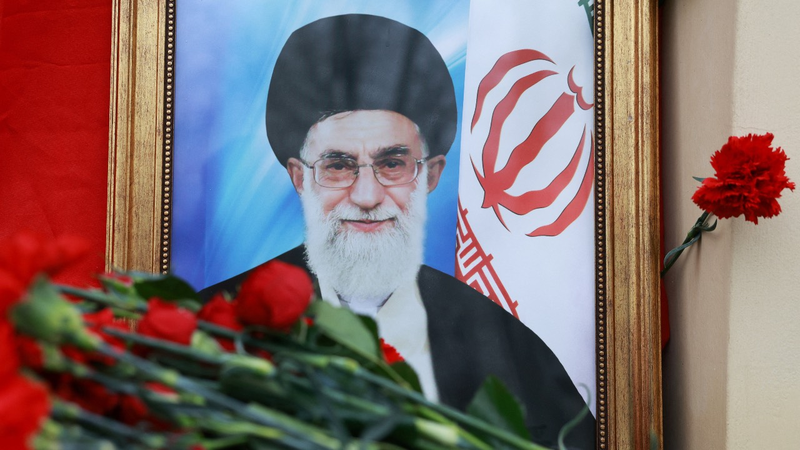
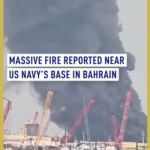
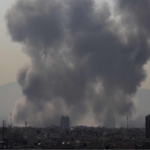
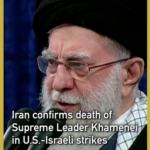
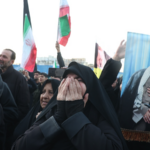
Iran faces its most pivotal moment since 1979 following the death of Supreme Leader Ayatollah Ali Khamenei. As explosions echo across military sites this week, the Islamic Republic's unique political machinery is grinding into action – part constitutional process, part wartime mobilization. 💥
The Interim Equation
A temporary leadership trio – President Masoud Pezeshkian, judiciary chief Gholam-Hossein Mohseni-Ejei, and Guardian Council member Ayatollah Alireza Arafi – now holds nominal authority. But real power flows through the National Security Council and battle-hardened Revolutionary Guards (IRGC) coordinating air defenses against ongoing strikes.
War Room Democracy
While Iran's hybrid system (mixing elected offices with clerical oversight) remains intact, Professor Ibrahim Freyhardt notes: "External attacks forge temporary unity – even critics are rallying behind defense efforts." The IRGC now commands everything from missile batteries to cyber warfare units as regional tensions hit DEFCON levels. 🚨
The Succession Clock
Constitutional Article 111 gives the 88-member Assembly of Experts three months to choose Khamenei's replacement. This clerical body, last elected in 2026, must balance hardline factions with public unrest over economic struggles – all while missiles fly.
One thing's clear: Iran's next leader will inherit a nation at war, a population divided, and a security apparatus ready to fight. The world watches as history unfolds. 🔍✈️