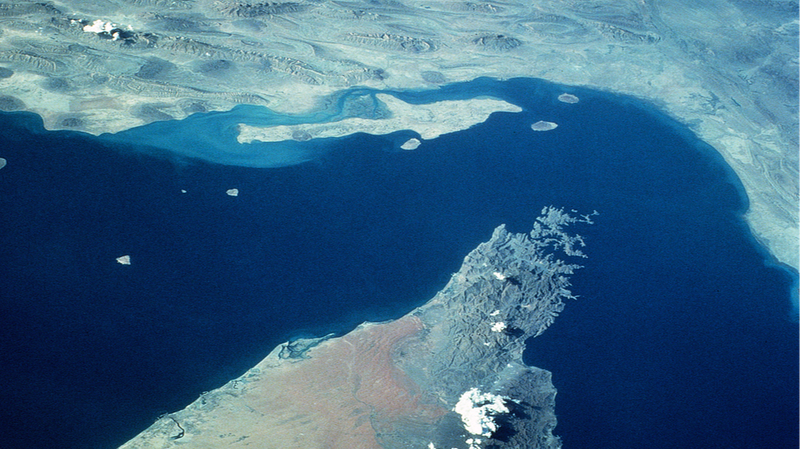
Global tensions reached a boiling point this week as Iran's Revolutionary Guard Corps announced the closure of the Strait of Hormuz following U.S.-Israeli military actions that began March 1. With 30% of the world’s seaborne oil passing through this narrow waterway, the move has sent shockwaves through energy markets and geopolitical circles. Here’s what you need to know about the world’s most critical maritime choke point.
Why This 21-Mile Waterway Rules the World
🔍 At just 33km wide (narrower than NYC to New Jersey!), this passage connects Persian Gulf oil producers like Saudi Arabia and Iraq to global markets. Every day, 21 million barrels of oil – enough to fuel 1 billion cars – squeeze through these waters.
History Repeating Itself?
📜 While full closures are rare, tensions here are nothing new. During the 1980s 'Tanker War', attacks on ships caused insurance rates to skyrocket 400%. In 2019, Iran seized a British tanker in retaliation for sanctions. But experts say a total 2026 blockade would be unprecedented – and potentially catastrophic for $200B in annual trade.
Can Iran Actually Shut It Down?
⚔️ Military analysts suggest Iran could use:
Anti-ship missiles along the coast
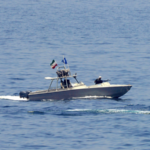
Swarm attacks by fast boats
Mine-laying operations
But U.S. Fifth Fleet forces stationed in Bahrain are already on high alert. As energy analyst Fatima Al-Marzouqi told us: 'This isn’t just about oil – it’s about global trust in maritime security. Every smartphone factory and EV battery plant is watching.' 🔋📱