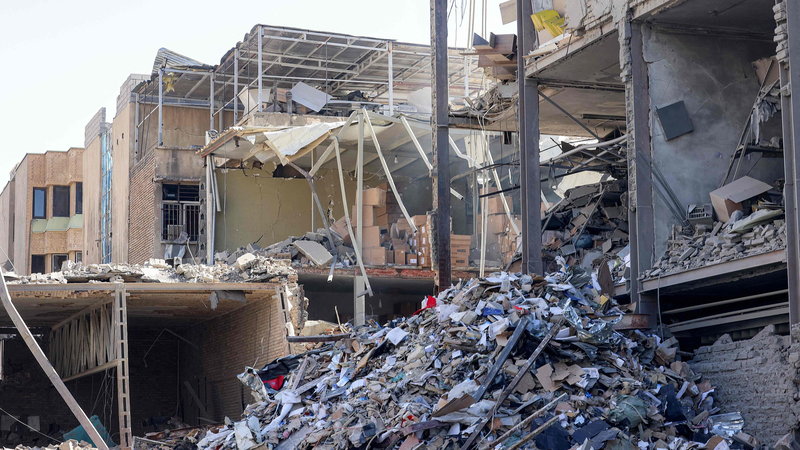
Escalating hostilities in the Middle East are causing a surge in civilian casualties and crippling humanitarian efforts, the UN warned this week. Missile debris, closed airspace, and ongoing clashes have disrupted aid delivery and damaged critical infrastructure, leaving thousands in urgent need.
Humanitarian Access & Civilian Impact
UN officials reported over 790 deaths and 750 injuries in Iran alone since Saturday, with strikes hitting densely populated areas. “The situation is dire,” said Tom Fletcher, UN under-secretary-general, emphasizing that attacks on energy facilities could “shake the global economy” amid fossil fuel dependency.
Border Tensions & Aid Challenges
Despite Israel reopening the Kerem Shalom crossing for limited fuel shipments, Gaza still requires 300,000 liters daily to sustain basic services. Meanwhile, West Bank checkpoints remain closed, paralyzing Palestinian movement and aid operations. In Lebanon, UN peacekeepers recorded dozens of rocket exchanges along the Israel-Lebanon Blue Line this week.
UN’s Urgent Appeal
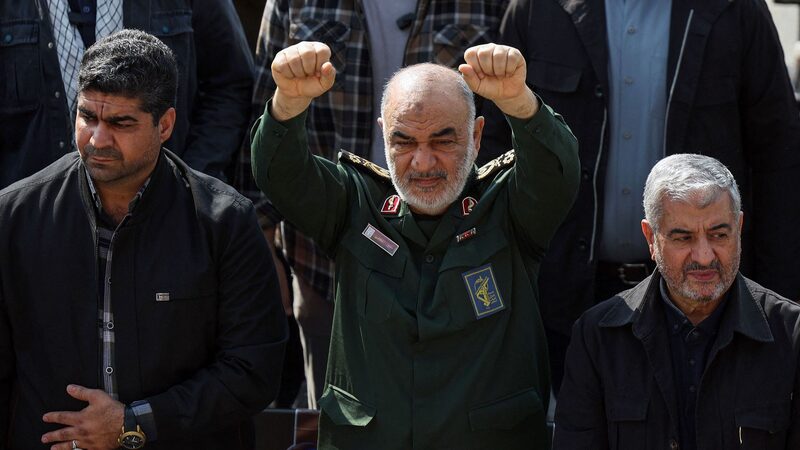
Secretary-General Antonio Guterres expressed alarm over “new conflict fronts” and worsening civilian suffering. Stephane Dujarric, his spokesperson, stressed: “Every restricted access point and politicized aid decision shrinks our ability to help.” With NGOs struggling to operate in Iran and Yemen, OCHA is activating regional contingency plans—but time is running out. ⏳