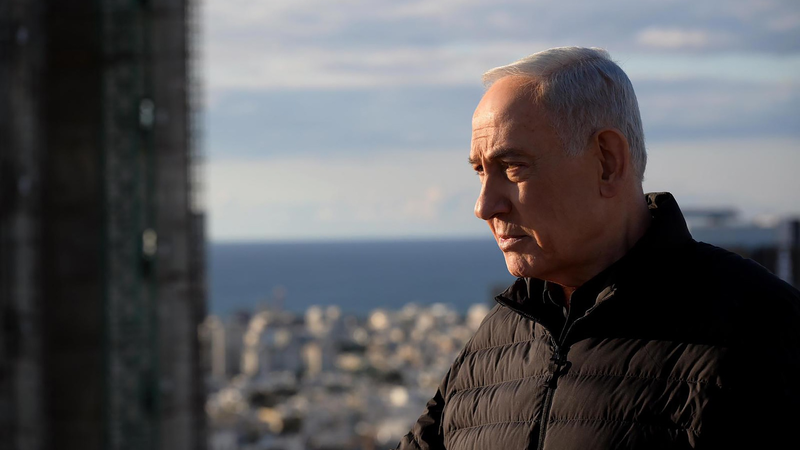
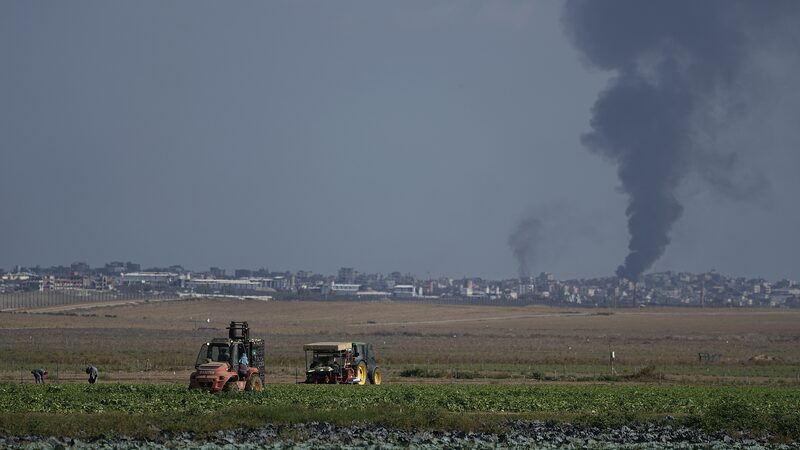
Israeli Prime Minister Benjamin Netanyahu has solidified domestic support through military strikes on Iran, but the move risks deepening Israel’s international isolation. The operation, which began last week, targeted Iran’s leadership and key sites, rallying Israelis across political divides. Opposition leader Yair Lapid even called it a “just war against evil,” signaling rare unity.
Domestic Unity, Global Backlash
A staggering 93% of Jewish Israelis now back Netanyahu’s strategy, per the Israel Democracy Institute. This surge has temporarily overshadowed his long-standing corruption charges and criticism over security failures during the 2023 Hamas attack. With elections looming, his Likud party is gaining momentum.
Strained US-Israel Ties
In Washington, bipartisan unease is growing. Lawmakers question whether the U.S. entered the conflict to preempt Iranian retaliation after Israel’s planned strike. While President Trump and Secretary of State Marco Rubio insist the strikes countered an “imminent threat,” critics warn of blurred lines between U.S. interests and regional alliances. Tucker Carlson and ‘America First’ supporters have amplified concerns, calling it “Israel’s war.”
Gulf States Frustrated
Gulf nations, caught in the crossfire, are furious over Iran’s retaliatory strikes on U.S. assets. Many accuse Israel of dragging Washington into unnecessary conflict, with Gulf air defenses strained by hundreds of Iranian missiles. Analysts warn prolonged warfare could destabilize trade routes like the Strait of Hormuz, further isolating Israel.
As Chatham House expert Yossi Mekelberg notes, the operation reinforces perceptions of Israel acting “under U.S. protection with disregard for international law.” With global tensions rising, Netanyahu’s political win at home may come at a steep diplomatic cost. 🌐⚖️