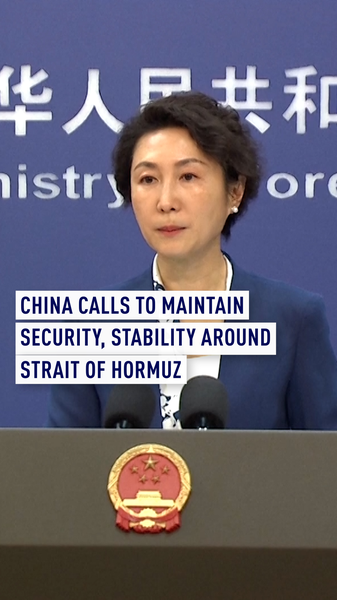
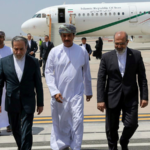
The escalating conflict in Iran has turned the Strait of Hormuz into a geopolitical tinderbox, with halted oil shipments and spiking energy prices sending shockwaves through global markets. Here's why this 33km-wide waterway could make or break the world economy in 2026.
The Chokepoint Explained 🗺️
Sandwiched between Iran and Oman, this narrow corridor handles 30% of global seaborne oil shipments – enough to power 3.5 billion smartphones daily. With tankers stuck and cargo ships rerouting around Africa (adding 10+ days to journeys), prices for everything from Uber rides to Amazon deliveries are climbing faster than TikTok trends.
Beyond Oil: A Supply Chain Nightmare 📦
The ripple effects are hitting harder than a K-pop dance challenge:
🇮🇳 Indian pharmaceuticals delayed
🇰🇷 Semiconductor shipments stranded
✈️ Middle Eastern air cargo grounded
Qatar's Energy Minister warned this week: "Prolonged closure could trigger a global recession." Meanwhile, oil prices have jumped 16% since Saturday – bad news for your summer road trip plans 🚗💸.
Why Can't We Just Go Around? 🚢
While alternatives exist (like Saudi Arabia's East-West Pipeline), they lack the strait's massive capacity. As US President Donald Trump noted: "This is why energy independence matters." But with 2026's green energy transition still incomplete, the world remains hooked on this Middle Eastern lifeline.