Rising oil prices triggered by Middle East tensions are sending shockwaves through Africa's fuel markets, threatening inflation spikes and currency instability across the continent. With most African nations relying on imported petroleum, analysts warn of a “double whammy” effect as crude costs surge and local currencies weaken against the dollar. 💸
Why Africa Feels the Squeeze
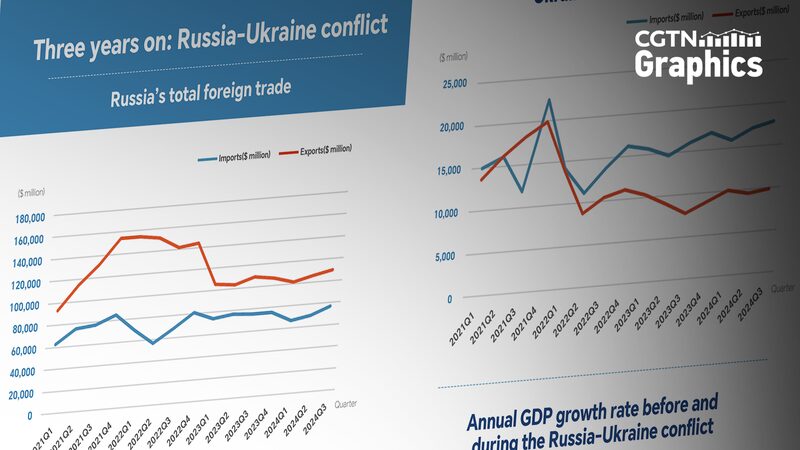
Africa imports over 70% of its refined fuel, leaving economies like Kenya and Ghana exposed to global price swings. “This isn’t just about gas stations—it’s about bread prices, school fees, and jobs,” said energy analyst Nick Hedley. The crisis echoes 2022’s Ukraine war fallout, when South Africa saw fuel costs jump 25% in six months. 🚚💨
Winners & Losers
While oil exporters like Nigeria and Angola could cash in on $100+/barrel prices, most citizens face pain at the pump. “Households will bear the brunt through transport and food costs,” Oxford Economics’ Brendon Verster noted. Countries using IMF bailouts, including Sudan and Zimbabwe, risk deeper debt crises as fuel imports drain foreign reserves. ⚖️
Green Energy: Africa’s Future Shield?
Experts say the crisis highlights the urgent need for energy independence. “Solar and wind aren’t just climate goals—they’re economic survival tools now,” argued Cambridge researcher Kennedy Mbeva. But with inflation biting, balancing short-term relief and long-term investments remains a tightrope walk. 🌱⚡