As global oil prices swing wildly due to Middle East tensions, analysts say China’s economy is weathering the storm 🌪️ thanks to strategic reserves and a green energy push. Here’s why the world’s second-largest economy isn’t sweating the $100+ barrel drama.
Strategic Reserves & EV Boom
China currently holds 1.4 billion barrels of crude – enough to cover six months of imports if Middle East supplies vanish, according to Columbia University’s Erica Downs. Meanwhile, OCBC analysts highlight the country’s shrinking oil dependence through "explosive EV adoption" 🚗⚡ and coal-based alternatives for chemicals production.
Price Adjustments vs. Global Jitters
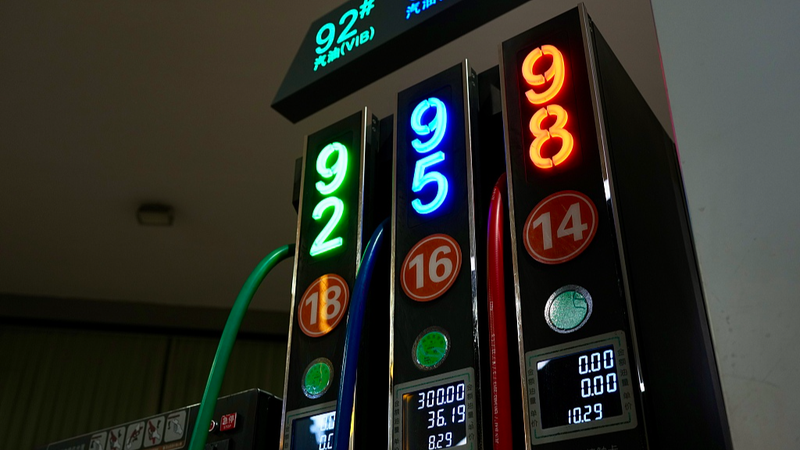
While China raised gasoline/diesel prices today (March 10), the hike remains modest compared to measures elsewhere. South Korea just announced its first fuel price cap in 30 years 🇰🇷, Japan preps oil reserves, and Vietnam slashed import taxes – all scrambling as 20% of global oil shipments face risks in the Strait of Hormuz 🌍.
Geopolitical Domino Effect
The volatility stems from reduced traffic through the critical Hormuz chokepoint after recent U.S./Israeli strikes on Iran. While former U.S. President Trump proposed easing some oil sanctions yesterday, markets remain on edge. For China? Analysts say its "power grid’s insulation from oil prices" 💡 and manufacturing adaptability could make 2026 a year of cautious stability.